"for the sake of humanity"… A small town American high school history project changes lives worldwide. These are the observations of a veteran teacher- on the Power of Teaching, the importance of the study of History, and especially the lessons we must learn, and teach, on the Holocaust. Click on "Holocaust Survivors, Liberators Reunited" tab above to begin.
I recently finished my 10th book in The Things Our Fathers Saw series. It covers a pretty much unknown aspect of American involvement in World War II, the China/Burma/India arena of the war.
In the writing of this series, I have been approached by people, generally children of combatants, and sometimes in slightly indignant fashion, wanting to know ‘why there is no CBI Theater’ focus in my books, as if I considered these men and women who served in that arena somehow less worthy of recognition and study. The ordinary unfortunate explanation was simply that comparatively few Americans served there, a complex and confusing pocket of activity that technically is not even classified a ‘theater’ of operations in the sense of, let’s say, the European or Pacific Theaters. It did not have a unified combat command per se; there weren’t any conventional U.S. infantry divisions slogging it out in China, Burma, or India—most of the ground fighting was done by British, Indian, and Chinese troops. Only about a percent and a half of Americans in uniform during World War II were engaged here, most in supporting roles; less than 3,000 U.S. ground troop volunteers made up legendary long-range fighting forces known as Merrill’s Marauders and others, who were pushed to the brink of extinction after just five months of combat.
Yet I found some amazing stories, from a nurse who was just one of two accompanying Claire Chennault’s famed mercenary ‘Flying Tigers’ taking out Japanese bombers over China and Burma, to the men who flew dangerous high altitude cargo missions from India to China over the Himalayas, to the Marauders on the ground and the fighter pilots who supported them from the sky. It clocked in at 362 pages of narrative oral history, and I hope it closes this gap in the knowledge of World War II; the last Marauder died just as I began writing it in January. You can get it at my direct store above in the SHOP MY BOOKS tab, or look it up at that behemoth, Amazon. The TOC is pasted below. Thanks for reading and your support.
In VOLUME 10 of The Things Our Fathers Saw® series,‘Over The Hump/China, Burma, India’, we will visit with the veterans of most overlooked theater of World War II as they prepare to fly over and march through the most inhospitable terrain on the planet, from the Himalaya Mountains to the jungles and mountains of Burma, battling elite Japanese forces, sickness and tropical disease. Ride with the cargo pilots as they are buffeted by 200 MPH+ winds over some of the highest mountains in the world; join fighter pilots taking to the skies to attack Japanese bombers and other aircraft as the enemy tries to disrupt the flow of supplies from India to China. Accompany the long range American penetration forces as they go deep into the heart of enemy held territory to stem the Japanese onslaught. Gain a better understanding of why these forgotten men need to be remembered and celebrated today.
AUTHOR’S NOTE INTRODUCTION COMMUNISTS AND NATIONALISTS WORLD WAR II BEGINS IN ASIA ‘VINEGAR JOE’ STILWELL ‘WE GOT A HELL OF A BEATING’ THE AVG STATIONMASTER ‘WE WRECKED A LOT OF PLANES’ NO REPLACEMENTS CHENNAULT’S EARLY WARNING SYSTEM THE BURMA SALWEEN GORGE MISSION CONDITIONS OTHER MISSIONS ‘I WENT AROUND THE WORLD’ THE MARINES BOOZE FOR SPARE PARTS THE SLIT TRENCH ENCOUNTER HOME THE FLYING TIGERS NURSE ‘I FELT LIKE ALICE IN WONDERLAND’ A ‘FOREIGN DEVIL’ GETTING BACK TO CHINA ‘THESE KIDS, THEY’RE GOING TO FIGHT?’ SPENDING TIME WITH CHENNAULT WAR THE WARNING SYSTEM MARRIED WITH A BLACK EYE ‘WHEN THEY CAME BACK, THEY WERE MEN’ ‘THAT’S WHEN I LOST HIM’ HOME ‘WOMEN DIDN’T TALK ABOUT THOSE THINGS’ THE CARGO PILOT THE LIFELINE OF CHINA HAZARDOUS DUTY MEDALS THE COMMUNIST CHINESE THE GRAND PIANO THE CHINESE PEOPLE GOING HOME THE HOSPITAL SHIP THE RESERVES KEEPING IN TOUCH CIVILIAN LIFE THE B-24 RADIOMAN SHIPPING OUT TO INDIA MISSIONS WEIGHTLESS ANOXIA DETACHED SERVICE COMING HOME THE B-29 RADARMAN THE B-29S RADAR MISSIONS SINGAPORE BOMBING JAPAN ‘WE LOST OUR PILOT’ A SECRET WEAPON AFTER THE WAR THE ACE PILOT TRAINING INDIA FIRST KILL ‘I BELIEVE I’M GOING TO GET KILLED TOMORROW’ PURPLE HEART ‘PETE, DON’T SHOOT!’ 87 MISSIONS THE CHINESE WAR’S END JAPAN OCCUPATION DUTY THE THUNDERBOLT PILOT THE TEST CALLED UP PILOT TRAINING THE THUNDERBOLT TO THE CBI BURMA MARAUDERS’ SUPPORT THE NATIVE PEOPLE WAR’S END HOME ‘THEY WERE SOLDIERS’ THE VIRGINIA FARMBOY ‘I LIED LIKE A RUG’ FORCED MARCHES AT HIGH SPEED STILWELL’S GOALS WINNING SUPPORT OF THE INDIGENOUS PEOPLES INSPIRED TO LEARN THE HEAVY WEAPONS COMMANDER ‘I’M NOT ASKING YOU’ ‘A MINIMUM OF 90% CASUALTIES’ LIVING CONDITIONS THE IMPERIAL MARINES FIGHT AT WALAWBUM WOUNDED HOME ‘GENERAL STILWELL JUST LAUGHED’ GOING BACK ‘YOU VOLUNTEERED FOR THIS MISSION’ ‘I’LL TAKE CARE OF IT’ REUNIONS THE ENGINEER DEPRESSION DAYS ‘YOU’LL GO WHERE I TELL YOU TO GO’ INDIA COMBAT TEAMS THE RIVER CROSSING ‘WE WERE THROUGH’ THE END OF THE WAR ‘HE BELONGS TO ME’ SOUVENIRS STILL ALIVE THE 4-F VOLUNTEER UNIT ‘GALAHAD’ ‘EVERYBODY WAS A MARAUDER’ THE NATIVES GENERAL MERRILL ‘WE HAD NO DANCING GIRLS’ GOING HOME OBSERVATIONS THE RADIO WIZARD ‘I WANTED TO DO MY PART’ THE ‘SONG OF INDIA’ MULES SHOOTING ‘THEY WOULD GO WILD’ MARCHING PAST THE HOSPITAL FOOD AND SICKNESS ON THE MOVE HOME LAST WORDS THE IMMIGRANT ‘YOU BECOME A FATALIST’ POINT MAN ‘WE DIDN’T GET DECORATED’ ‘KILLED IN ACTION’ THE CHIEF THE LEDO ROAD ‘A VERY TOUGH THING’ HOME THE COMBAT CAMERAMAN I DEPRESSION DAYS BECOMING A CAMERAMAN ‘WE NEED THE FIVE DOLLARS’ ‘THE WAR WAS ON TOP OF US’ ‘I WON WORLD WAR II’ GOING OVERSEAS THE VOLUNTEER ‘YOU HAVE TO STAY HOME AND FARM’ ‘YOU’RE THE SON OF A GUN THAT WENT AWOL’ IN THE BRIG ‘MY GOD, A TORPEDO!” PICKING UP THE DEAD ‘ONE DAY THE SALVATION CAME’ ‘MY SQUAD LEADER WAS A CONVICTED FELON’ ‘POOREST GODDAM EXCUSE FOR A MULE SKINNER’ THE LETTER ‘WE CAN DISAPPEAR IN THE JUNGLE’ COMBAT WOUNDED ‘I CAN SAVE THAT LEG’ THE NISEI INTERPRETER ‘THE MEN WHO ALTERED MY LIFE’ RECONNECTING WITH TRUCK ‘I DON’T KNOW WHAT A HERO IS’ THE COMBAT CAMERAMAN II GETTING TO INDIA GETTING TO STILWELL’S HEADQUARTERS THE CHINESE NEWSREEL WONG GOING AWOL TRAVERSING THE MOUNTAINS ‘I’M NO DAMNED VOLUNTEER’ ‘THE MOST IMPORTANT THING IN THIS OUTFIT’ HIT BY A C-47 AIR DROP ‘I HAD NEVER CRIED IN MY LIFE’ “YOU’RE THE GUY I’VE BEEN LOOKING FOR’ THE LAST WORD
A bit sad to announce we closed the physical bookshop this month at the Glens Falls Shirt Factory on the third floor. We just don’t have the bandwidth (i.e. my physical presence in two places); originally it was a father-daughter venture, with the youngest having a photo studio there too, but she moved to Troy to continue her education/career. And my butt needs to be in the chair at home working on new titles. I hope to be back there with a booth for the holidays and a new title or two. It’s nice to interact with the fans!
photo: Gretta Hochsprung 2020
At home, my wife and I worked really hard getting books packed and shipped for the latest holiday rush; between mid November and Christmas we gained at least 2500 new readers. Then we took our annual retreat to start the next book in the series, Vol. 10, China/Burma/India, and work on the third eight-hundred page omnibus book. I think that cover came out pretty good! It will be available in a few weeks, or you can look for it at Amazon here.
Around the beginning of this month we crossed over 25,000 orders on the direct to consumer store [link below] we opened 44 months ago, or 3.75 years, around Memorial Day, 2020. Many of them are now long time subscribers; we have about the same number for followers on our official Facebook page. So thank you for that. And virtually no complaints/returns [well, maybe literally a handful from the occasional husband who admits being too lazy to open the books his wife got him for a gift!]. That tells me we are scratching an itch, and someday I will post the comments and conversations that turn into message boards that appear on some of my feeds I see online.
Today by chance in an audio shuffle, I’m listening to history podcaster Dan Carlin’s Hardcore History episodes on the War in the Pacific, “Supernova in the East”. It’s very long and involved but it is very good. And a former student tipped me off that Dan quotes from my first book in it [about an hour twenty-five minutes into this one]! I hope Dan gets a chance to pick up the other (nine)!
This week I’ll also get to preview a working draft of Mike Edwards’ film on my book, and 1/3 of my life. It will be Episode One, of four parts. And I’ll get to see it with Mike, my family and some others, the screenwriter Lee Shackleford and key film making participants Josh Fronduti and Chris Martin, all coming hundreds of miles to screen it for us for the first time.
And, timely enough, I have heard from another second generation survivor (daughter) who saw her father’s moving image on the day after he was liberated. I’m honored and welcome to share her astonishment and greetings, below.
Suffice it to say, the miracles just keep coming.
From NARA: “Summary: Numerous scenes, freed Jewish prisoners in groups along railroad tracks. Their expressions furnish a clue to the suffering they endured. Individual shots: Men, women, and children, some of them in various stages of emaciation. Flashes of US soldiers distributing food. The group surrounding the soldiers push forward to receive meager bits of food. LS, village being shelled by German artillery from across the Elbe River.”
“Hello, Dr. Matt Rozell,
I have the honor to write to you after my efforts to reach your address by Mr. Jakob Barzilay from Raanana and Mis. Varda Weisskopf .
On July 31, 2023, Channel 12 of the Israeli television broadcasted the video that was found in the basement of the archives of the Holocaust Museum in Washington after for 78 years without anyone knowing about it, which I understand was thanks to your investigation.
When I watched the video I was immediately flooded with calls from my children, my brother and nephews who all couldn’t believe their eyes. Our father (their grandfather) appears clearly in the video.
After watching the video at least five times and rubbing our eyes, we opened the booklet in which our children wrote on 1986 the family roots when they were 14 years old. We found the literal description of the valley where the train stopped, with a hill covered with trees on the one side and a lower hill with green spring grass on the other one.
The name of my father is Michael Sonnenshein, born on 1909 in Verebly. His name appears in the list of the Bergen-Barzan release book – “NAMES” (Jewish victims of Hungarian labour battalions).
I am attaching here: 1. His name from the book; 2. A photo of my father which was taken after the War for the purpose of identification in the video; 3. A section from the video, where you see my father removing his hat in front of the photographer.
Michael Sonnenshein.
I would like very much to get in touch with you and learn more about the story of the train.
Tuesday morning, June 6, 1944. Omaha Beach. National Archives.
So, it is the sixth of June again.
The ocean pounds the advance of sand amidst the relics of a different age, the hulking remnants of the tide of battle. The surf rolls in and kisses the beach, as the last participants mix on the hallowed bluff above with the politicians who have gathered from all over the world.
Thirty-nine years ago I watched as the American president honored the fallen, and the living, at the cemetery for the fortieth anniversary. Just out of college, something stirred inside me. Something was awoken.
Those thirty-nine years have passed. I began by writing letters to the newspaper. I began to interview D-Day veterans and others. I began to collect stories- not relics, prizes, or artifacts. I really had little interest in captured Nazi flags or samurai swords.
I wanted to talk to the men who were there.
The fiftieth anniversary came next with great pomp and more reflection. It graced the covers of the major newsweeklies. “Saving Private Ryan” would soon stir the consciousness of a new generation, and the reflections of the old. And I learned so much more of the war beyond the beachhead. That there were so many beachheads.
The sixtieth anniversary came around. Students on their bi-annual trips to France would bring me back their photographs and the requisite grains of white sand from Omaha Beach. Teenagers had their emotions a bit tempered, I think. I would go on to introduce them to so many who were there, when they themselves were teenagers.
So now it is the seventy-ninth. On the 65th, I wrote about a friend, Buster Simmonds, a combat medic who is no longer with us. Another time, I featured a D-Day veteran, Bill Gast, a 743rd tanker who made it from surf to beach and beyond.
And it is the subject of the fifth oral history in my World War II series, ‘The Things Our Fathers Saw: D-Day and Beyond’. Featured in it is one of our frequent classroom visitors, Tony Leone, a Coast Guard veteran of D-Day aboard an LST. And as I was working on his narrative this past March, footage of his ACTUAL SHIP, LST 27, was discovered, loading up for D-Day [click the photo below, it is only a minute long].
Tony left us in 2010. I’ll leave you with the book excerpt below. And remember to pause for a moment this day, June 6th, to think about what they did, 79 years ago.
Excerpt from ‘The Things Our Fathers Saw: D-Day and Beyond, by Matthew A. Rozell
He sits behind a student desk, wearing a medal presented to him by the French government that he also wears to Mass every Sunday. ‘I wear it with pride to pay homage to those fellows who burned alive next to me. I made it and they didn’t. It still bothers me.’
He rests on his walking cane and leans forward as he speaks. He is animated—he motions with his hands to emphasize his points. A prolific author and newspaper letter writer, Anthony’s mission is to educate the public about what his generation of Americans went through: ‘It would be at least 25 years after World War II before I could begin to think about the experiences of that time. They were buried deep in my subconscious and remained there so that my mind and body could heal.’
Anthony F.J. Leone
The Invasion of Normandy
I got assigned to USS LST 27. I said to myself, ‘What the heck is an LST?’ We boarded in Norfolk, Virginia. I carried my sea bag, along with the rest of the graduates of boot camp, up this long gangway. This was the biggest vessel I had ever seen in my life! If you had it up here on Lake George, it was 327 feet long, imagine that, and 50 feet wide. That’s a big ship.
‘LST’ stands for ‘Landing Ship, Tanks’. What we did is to carry small boats. We sent the small boats in first loaded with troops and vital supplies, then we came in right up to the beachhead with the LSTs and opened the bow doors and dropped the ramps. But on D-Day, not even the small boats could get in among the obstacles, and there were mines all over the place. They were killing our soldiers like sheep to the slaughter.
*
We left Norfolk in March of 1944 and landed in Africa. We had gone through bad air raids by the Germans in the Mediterranean and U-boat attacks but we survived. One ship was hit and set afire, a ship carrying lumber, and incidentally the crews couldn’t get the fire out; it was in the stern of our convoy. We got attacked by the Luftwaffe, JU-88s and Dornier torpedo bombers.
We reached Africa without further incident and then we sailed for England. We landed in Swansea, Wales, and we got liberty [after] we unloaded an LCT from the ship. An LCT is a long, wide, flat-box sort of landing craft where the ramp drops down and the conning tower is in the back, and we had one topside. We carried it piggyback; what we did was fill the starboard bilge tanks with water and then chop the cables holding the LCT on, onto these greased wooden skids. By severing the cables, the thing would slam into the water with a big splash. We got rid of that thing because there were some heavy seas and we were top heavy. These were the craft that what would land the men, later on.
About the end of May, about a week before D-Day, we went to Southampton, and then to Falmouth, to become part of the back-up force for the D-Day landings. We took on units from the 175th Infantry, which belonged to the 29th Division. Everything was frozen in place, we couldn’t move. The area was sealed off, we couldn’t go on liberty, we couldn’t visit the British girls, which was quite a sacrifice in those days, since they were all over the Yanks. We were like the invention of sliced bread; the British girls couldn’t get enough of the Yanks. [Laughs] We had a lot of money I guess, and we showed up the British service men pretty bad. The American troops over there, their behavior was abominable. The British treated them really good, but the Americans were spoiled had a lot of money, and… well, it’s the same old story.
They sealed us off, and on the 4th and 5th of June we were ready to go. We headed toward ‘Piccadilly Circus’, that was the code name of the circle in the middle of the Channel that we were supposed rendezvous at, from there the flotillas would go towards the English beachheads [in Normandy] and we would go towards the American beachheads, Omaha Beach and Utah Beach.
We went out to the sea on the 5th, and it was really stormy. Eisenhower was really blown away by [the weather]. So, they waited, and I guess a British meteorologist saw a break, a window in the weather. Eisenhower had decided to go for it, he had his fingers crossed, he had a letter ready apologizing for the loss of lives and withdraw from the continent in case it failed.[1] So, we went, the first units moved up from British ports of Southampton, London, Plymouth and Portland. We were the second, the backup force from Falmouth.
The Americans had gotten off the beach by late June 6th. Of course, [before that], the Germans had mowed them down like a wheat field. As I said before, there were German privates just sitting there with machine guns, just killing Americans and crying as they were doing it, ‘Please go back, I don’t want to kill no more!’ [Repeats this line in German]. At one point, General Bradley was going to pull them off, take all the people at Omaha Beach and bring them over to Utah. Utah was a pretty successful landing—there, casualties were [far less].
By the time we got to the [Omaha] beachhead the next day, it was a mess. We came in with the LSTs. We had already launched our LCVPs [on June 6] which brought in the troops, the ‘Landing Craft Vehicle-Personnel’, that is, a Higgins Boat. It was invented by Andrew Higgins, a boat builder from the United States. Then it was time for us to come in and unload the tanks.
It was now June 7th; all you saw was a layer of white smoke on the beach. The [US Army] Rangers had gotten in behind the Germans, but when we [first arrived there with the big ship], it was still hot, there were still mines all over the place, hedgehogs and stakes driven in the ground with Teller mines sitting on them. At high tide when you came in you couldn’t see them. Our LCVPs had to negotiate between them, this was impossible at high tide, you had to wait until the tide was way out, then the soldiers had to walk almost half a mile over bare land, no foliage or anything.
As we came in, it was pretty hard to negotiate because the mined obstacles were still all over the place and there were pieces of human bodies floating all over. The American soldiers had the life belts on that you activate, and they inflated because they had a CO2 cartridge. But because the guys had heavy packs on, it would up-end them and drown them because they couldn’t get loose. We saw a lot of soldiers floating that way. Their life belts worked alright, but they killed them. Their bodies floated to and fro all day long.
After we saw that, we were not too enthusiastic about going in and hitting the beach—we said, ‘If this is happening out here, what is going to happen there?’ Even though it was a couple days later, we were all armed to the teeth. We had our clothing well-impregnated with chemicals to withstand a gas attack, and when your body got out of it, that stuff would drive you crazy.
We proceeded in. Now up in our conning tower, our officers had barricaded themselves behind a pile of mattresses up in the bridge, not that they were ‘chicken’, they were just being smart about the whole thing, they didn’t want to get hit with shrapnel.
We had that on and we were all ready to go over, life jackets and helmets, I was manning the 20mm gun and all of a sudden, the public address system crackled. I heard the damnedest noise, that scared me more than the enemy, really, when it first came on [singing], ‘Mairzy doats and dozy doats And liddle lamzy divey/ A kiddley divey too/ Wouldn’t you?’. It was the voice of our skipper, and he was dead drunk. [Laughs] Now understand that he was a very solemn-looking individual, dark, so dark that at night we couldn’t see him, so we called him ‘The Shadow’—when he walked on the bridge, all you would see was the glow of his cigarette. He would let it burn to his lips and then spit it out, he was [tough as nails]. So here is this guy who is fearless, and as we were going in, he is singing ‘Mairzy Doats’[2] I would have chosen a different tune really, but everyone burst out laughing, so it was a morale builder in a sense. It told us the captain was human after all, and he was just as much afraid as we were!
So we went in and hit the beach, started up the ventilator fans as we had big tubes coming out of the tank deck to suck the exhaust fumes out—and incidentally, both their vehicles were burning oil, don’t know why, poor maintenance. They got them going and the trucks were towing—this was the 175th Heavy Tank Company, it was part of the 29th Division—they started to move out when the brake seized on the 57mm anti-tank cannon carriage they were towing in the back of the lead truck. Marion Burroughs, a friend of mine who was driving it later told me, ‘God that saved my life, that brake locking up like that, it never happened before in all my years of working with it.’ That’s the way things happen, you know. He motioned for the other truck to go back around him—it was an army wrecker, used for picking up tanks or wrecked vehicles. It went around and both of the vehicles went out, the wrecker hit a mine just coming off the ramp. They had it taped off where it was safe you know, I still think they went ‘off the tape’, the taped-off lanes to distinguish between the mined and unmined areas… It blew up and there were bodies all over the place and the trucks were filled with Chesterfield and Old Gold cigarettes, I remember vividly; ‘Lucky Strike had gone to war’ with gold packaging—they had taken the green out of the cigarette wrapper to save the cadmium that was green, I think—well, I remember those cigarettes just went all over the place, bazooka shells, the thing was loaded with ammo and gasoline and it went up, a flaming cauldron—it was like a blast furnace! These poor guys were screaming and they were pinned to the frame and you could see the rubber of the tires all turning to liquid and dripping. And their screams! It seemed like they screamed long after life left their bodies. I still hear them sometimes. If you ever hear a person screaming in agony when they were being burned alive… [looks down, shakes head]
We went out to see what we could do. I reached down and a piece of shrapnel came through the top of my helmet, punched it open, and broke some skin. I didn’t realize it until later, when the thing fell off my head and landed on the deck. You couldn’t get near the fire because the flames were so hot. A couple of individuals did rescue somebody, and I went out again to get another helmet. They were all over the place, like coconuts. I saw one with netting on it, and I went to get it and ‘zing-zing-zing’ [gestures quickly, tapping the air in succession three times], there were little bursts of sand right in front of it, some German probably anticipated my move and said, ‘well, this guy’s not going to get his helmet.’
One of our officers, a deck officer, a little fellow named Serge, went out and dragged somebody back to the ship. Now they had always made fun of Serge because of his size; he was puny, like another Don Knotts, all nervous and such. They all used to pick on him, like making him stand on a table because he was Jewish, things like that; that was World War II, you know. A colored steward would have to stand on the back of the bus—even though he survived a lot of battles, he had to stand on the back of the bus in Norfolk, Virginia. This is what World War II was really like.
He went out in the surf, the crazy [son of a gun, and rescued some guys], and he got back, I think he got the Silver Star or something for it. He was ten-foot-tall in our eyes after that. Finally, we closed the damn bow door; we lifted the ramp—it takes ages for that thing to come up on chains—and we closed the bow. We waited for the fires to subside and the flames went down, and we went out. We hated to see what was still out there. Things were still hot, fires were still burning, everything was gone—it was just bones sitting there, grinning skeletons.
[Later] on Utah Beach on June 19, a big storm stirred up a lot of mines. As we were coming in our lookout yelled, ‘Stop engines! Wreckage in the water, dead ahead!’ We slowed and stopped. Apparently, there was an LCT that had been hit earlier and it was laying there. Had we gone another 25 or 30 feet, we would have been impaled, practically stuck on the thing—so we couldn’t move. We reversed and motioned for the LST in line behind us to go around us. When they went around us, and as they made that move alongside, they blew right in half; they struck a mine. Now try to picture a huge structure like an LST, 327 feet long, welded steel, 50 feet wide, blowing in two, [lifting out of the water and straight up into the air]. The crew aboard it had a motley assortment of pets. They had pigeons, and chickens—what the hell would you have a chicken onboard for?—chickens, and dogs and cats; this was strictly forbidden, but they let them get away with it. Just before, we had been waving to the guys and laughing at the animals. We were the ‘Suicide Navy’, they called us. A very apropos title.
There were medical teams assigned to all the landing ships, like the LSTs, and they were composed of one or two naval doctors and a team of corpsmen. We had a surgical operating station in the back of the tank section, it was a complete operating room and they operated on the wounded there. At times we’d go back to eat, and we’d set our trays down in the dining room. They’d operate on the tables there, and our trays would slide in the blood—well, you don’t feel much like eating after that.
That is what I had to live with every day. The wounded, the dying, the death, it became a way of life. That’s bad, that’s real bad. When I got discharged from the service, I got a 100 percent disability because I was a basket case. I had to get some shock treatment, once or twice. I spent ten years at the VA hospital in out-patient treatment, I’m still going there in Albany. But I would do it all over again, because it was a cause. A cause célèbre, you might say. It’s nothing like what’s going on today.
War itself should be abolished, it should be outlawed. There can’t conceivably be any winners, [with these nuclear weapons]. For me it was bad enough to see men die all the time. I’d hate to see, right now today, a dog die—if a dog got hit by a car, I’d die, I’d feel badly. But now think about seeing human beings die, and then you get used to it, to endure you have to say to yourself, ‘This is a way of life, I have to live with it’. That crew became my family for two years, the only home I had. The medal presented to [us veterans by France] is the most beautiful medal I’ve ever seen, and I wear it with honor every Sunday. The priest doesn’t like the medal because to him it speaks of violence and war, but this is the biggest argument against war there is. For kids to even think of settling arguments with violence and war, that just shouldn’t be considered, because it is a foolish move. The innocent die.
[1]he had a letter ready-Eisenhower had hastily drafted a letter accepting responsibility in the event of a colossal failure at the Normandy landings: “Our landings in the Cherbourg-Havre area have failed to gain a satisfactory foothold and I have withdrawn the troops. My decision to attack at this time and place was based upon the best information available. The troops, the air and the Navy did all that Bravery and devotion to duty could do. If any blame or fault attaches to the attempt it is mine alone.” National Archives.
[2]Mairzy Doats-A silly novelty song that hit #1 in the US pop charts in March 1944. As others have noted, the amusing sheet music lyrics sung by Mr. Leone are revealed in the song’s bridge, “If the words sound queer and funny to your ear/ A little bit jumbled and jivey/ Sing ‘Mares eat oats and does eat oats/ And little lambs eat ivy/ A kid’ll eat ivy too/ Wouldn’t you?”.
From the Portsmouth D-Day Story Museum: “The number of people killed in the fighting is not known exactly. Accurate record keeping was very difficult under the circumstances. Books often give a figure of 2,500 Allied dead for D-Day. However, research by the US National D-Day Memorial Foundation has uncovered a more accurate figure of 4,414 Allied personnel killed on D-Day. These include 2,501 from the USA, 1,449 British dead, 391 Canadians and 73 from other Allied countries. Total German losses on D-Day (not just deaths, but also wounded and prisoners of war) are estimated as being between 4,000 and 9,000. Over 100,000 Allied and German troops were killed during the whole of the Battle of Normandy, as well as around 20,000 French civilians, many as a result of Allied bombing.”
Holocaust survivor Ariela Rojek, right, was 11 years old in 1945 when she and 2,500 other concentration camp prisoners aboard a train near Magdeburg, Germany, were liberated by American forces including 1st Lt. Frank Towers, left with his son Frank Towers Jr., center. “You gave me my second life,” Rojek told Towers Wednesday, Sept. 21, 2011, at Hudson Falls High School during an event reuniting soldiers and survivors.
Jason McKibben Glens Falls Post Star
It was 12 years ago years ago this evening, we shared a meal on the eve of Shabbat, after watching ourselves on a national broadcast that reached millions. Why does it seem, so long ago?
Maybe because it all seems so unbelievable- that out of the darkness of the past, on a day when the sun dawned clearly and was warming the Earth in its mid-April morning ascent, a low rumble was heard by hushed and huddled groupings of tormented humanity as they strained to hope for friends amidst their lurking murderers. As the metallic clanking grew louder, over the horizon broke the earthly angels, two Sherman light tanks and an American Jeep with the emblem of the white star. A cry broke out. They realized they were saved, and the American major snapped a photograph at the exact moment the overjoyed survivors realized it.
And out of the past on a warm September day, we brought them all together again. Who would have believed that 62 years later, a high school in a quiet, rural part of the world would bring the soldier-liberators and the rescued survivors together from the US, Canada, Israel and elsewhere? All because I couldn’t let go of a good narrative history, and pursued the story behind the photographs that proved it really happened?
And think about the risk you run, inviting hundreds of octogenarians to come to a high school for half a week to mingle with thousands of high school and middle schoolers? Talk about sweating bullets. What if they are uncomfortable? Cranky? Complaining? What if the kids I can’t control are rude? And what if one of these “old” folks, who I don’t even know, dies on our watch? I would lie awake at night wondering if I was out of my mind.
But the miracle came to be-for the two dozen or so elders who could come, tears flowed, wine spilled, and our “new grandparents” danced with young teenagers who adored them, but only after the risk was accepted, with the enthusiastic help of Mary Murray, Tara Winchell-Sano, and Lisa Hogan, Rene Roberge and others. Have a look at the videos, and feel the love. We created ripples, and tripped the wires of the cosmos, and the reverberations are still echoing. To date, with Varda Weisskopf’s and Frank Towers’ help, the list is at 275 survivors whom we have found. And how many generations has it effected?
This is the subject of my second book, A TRAIN NEAR MAGDEBURG, the PBS film of which is due out in 2022. In the meantime, I am working on a shorter work of what I have learned in teaching the lessons of the Holocaust. So take a look at the videos, and remember the words of the liberator:
April 30 1945 Headlines, on display in my classroom.
A few days ago, it was the anniversary of the liberation of Dachau, 76 years on. This is a post I have shared in the past. I think it is important.
Today, if the anniversary is brought up at all, some of us might respond with a vacant stare. More might shrug and turn away. I suppose that is to be expected. But you know me. I just think that as a nation, sometimes we allow things to slip from memory at our peril.
It was real, and it happened. And it was American GIs who overran this camp and many others in the closing days of World War II.
The men of the 42nd and 45th Infantry Division arrived independently of each other, here, in southern Germany, at Dachau, on this day. A concentration camp, they were told. Their noses gave them a hint of what they were about to uncover, miles before the camp appeared in sight.
Read the headlines, above. Note the subarticle:
Boxcars of Dead at Dachau. 32,000 captives freed.
American soldiers view the bodies in one of the open railcars of the Dachau death train. USHMM
And so after some resistance, into the camp they entered. Life changing events were about to unfold for the American soldier.
***
For me, it’s not about hero worship, or glorifying the liberator or any World War II soldier by placing him on a pedestal. Our time with them is now limited, but many of the liberating soldiers I know push back at this, to the point of rejecting the term, “liberator”- “It all sounds so exalted, so glamorous” said one. But they will all accept the term, “eyewitness”.
Witnesses to the greatest crime in the history of the world.
So instead I think it is about honoring their experiences, their shock, the horror, the puking and the crying, the rage-and then, the American GIs recognizing that something had to be done. And they did suffer for it, for trying to do the right thing. Many tried to help by offering food to starving prisoners who just were not ready to handle it, only to see them drop dead. Or having to manhandle these emaciated victims who were tearing away at each other as food was being offered.
Some guys never got over it. How could you?
I have learned so much over the past few years from these guys, just through the way that they carried themselves and tried to cope with what they witnessed. In my World War II studies and Holocaust class, we discuss these issues at length. I’m so lucky to be able to teach it.
A few years back, I was privileged to teach a lesson to my high school seniors for NBC Learn, which was shared with other districts across the nation. Later, I stumbled upon this piece by the late author Tony Hays, who writes about his liberator father and his own encounter with the past. Thanks to the Get It Write folks; the original link is at the bottom.
***
Dachau Will Always Be With Us
by Tony Hays
This is not so much a post about writing as one about a writer’s education, about one of those experiences that molds us, shapes us into storytellers. I read yesterday the story of Joseph Corbsie, whose father, a World War II veteran, left him with a special legacy from the war, from the hideous Nazi concentration camp at Dachau. I feel a particular kinship with Mr. Corbsie.
My father, Robert Hays, was the son of an alcoholic tenant farmer in rural west Tennessee. If the appellation “dirt poor” fit anyone, it fit my grandfather’s family. Daddy served in the Civilian Conservation Corps during the 30s. He and my mother, who was in the woman’s equivalent of the CCC, working as a nurse’s aide at Western State Mental Hospital in Bolivar, Tennessee, met on a blind date in early 1940 and married in September of that year.
But just over a year later, Pearl Harbor happened. America was in the war. My father was among the first of those drafted in 1942. I won’t bore you with the details, but he participated in the North African, Salerno, Anzio, and southern France invasions, saved by the luck of the draw from Normandy. But they slogged through France and on to Germany. On April 29, 1945, Allied troops liberated the Dachau concentration camp. I don’t know whether he entered Dachau that day or the next, but that he was there within hours of the liberation is beyond dispute. A few months later, after more than three years overseas, he came home.
In later years, he would talk occasionally about the war, providing anecdotes that showed the chaos and random chance of battle. He spoke of driving through Kasserine Pass in North Africa just hours before the Germans killed thousands of Allied troops in a stunning attack. He spoke of a friend, defending his position from a foxhole, who was thought dead after an artillery shell landed right next to him. When the dust cleared, the friend was buried up to his neck in dirt, but did not have a scratch on him. He spoke often of Anzio, where he was wounded, and of the massive German air assaults on those soldiers clinging to that tiny sliver of beach along the Italian coast.
But he never spoke of Dachau.
The bodies of former prisoners are piled in the crematorium mortuary in the newly liberated Dachau concentration camp. Dachau, Germany, April 29, 1945. USHMM.
Ever.
When he died in 1981, we found a photo in his wallet. An old sepia-toned shot like others he had taken during the war, pictures that he kept in an old brown bag. But this one was different.
It showed a pile of naked bodies. Well, really more skeletons than not, with their skin stretched pitifully over their bones. On the back, as had been his habit, was typed simply “Dachau.”
I was confused. Why would he keep this one photo in his wallet all of those years? Especially a photo of a place and event that he never spoke about. It obviously had some deeper meaning for him than the other photographs. If it had been a shot of the building he was in when he was wounded (hit by an artillery shell), I could have seen that. A reminder of his closest brush with death. Yeah, I could buy that. But this macabre photo? That, I couldn’t see.
So, for the next fifteen years, I remained puzzled.
Until the fall of 1996. I was working in Poland, and I had some time off. I took an overnight bus from Katowice, Poland to Munich. It was an interesting trip all in itself. We sat in a line of buses at midnight on the Polish/German border, waiting for our turn to cross, next to a cemetery, as if in some Cold War spy movie. I remember passing Nuremburg and thinking that my father had been there at the end of the war. And then there was Munich.
I spent a day or two wandering through the streets, drinking beer in the Marienplatz. I’m a historical novelist, so the short trip out to Dachau was a no-brainer. Of course it was as much my father’s connection with it as anything else that spurred the visit. But I’m not sure that I was completely aware of that at the time.
Dachau literally sits just on the outskirts of the Munich metropolitan area. I looked at the sign on the train station with a sadness, wondering for how many people that had been one of the last things they saw. It was only later that I discovered there had been another depot for those passengers.
The Dachau Memorial is a place of deep emotion. In the camp proper, mostly all that are left are the foundations of the barracks. One has been reconstructed to give an idea of how horrible life must have been. The camp was originally intended to hold 6,000 inmates; when the Allies liberated Dachau in 1945, they found 30,000. The museum and exhibits are primarily in the old maintenance building. I looked with awe at life size photos of prisoners machine gunned, their hands torn to ribbons from the barbed wire they had tried to climb in a futile attempt at escape.
I followed the visitors (I can’t call them tourists) north to where you crossed over into the crematorium area. It was there that the full brunt of what had taken place at Dachau really hit me. A simple brick complex, it seemed so peaceful on the fall day that I stood before it. But as I read the plaques and consulted my guidebook, as I stepped through the door and actually saw the “shower” rooms where the prisoners were gassed, as I stared into the open doors of the ovens, I felt a rage unlike any I had ever known consume me.[i]
That night, I went to the famous Hofbrauhaus in Munich, to wash the images of the ovens away with some beer. I hadn’t been there long when an elderly American couple sat at the table. They were from Florida, a pleasant couple. He had been a young lieutenant in the American army on the push into Munich. In fact, it had been his pleasure to liberate the Hofbrauhaus from the Germans.
Of course, I asked the question. “Were you at Dachau?”
He didn’t answer for several seconds, tears glistening in the corners of his eyes as his wife’s hand covered his and squeezed. Finally, he nodded, reached into a back pocket and pulled out his wallet.
With a flick of his wrist, a photo, just as wrinkled, just as bent, as the one my father had carried landed on the table. It wasn’t the same scene, but one just like it.
Here was my chance, the opportunity to ask the question I had never been able to ask my father. I pulled the photo from my own wallet and lay it next to his. “Why? Why have you carried it so long? To remind you of the horror of Dachau, of what had been done here?”
His face carried the faintest of smiles as he shook his head. “No, son, to remind us of the horrors that we are capable of, to remind us not to go down that road again.”
The difference was subtle, but in that moment, I learned two lessons invaluable to a writer, subtle differences are important, and when you want to know the truth, go to the source.
As I sit here now and look at that same photograph, I realize that it was my father’s legacy to me, of Dachau. Joe Corbsie’s father left him something more tangible, a reminder of the same thing for the same reason, but more forcefully stated — a tiny box of human ash from the ovens.
Dachau is still with us, and I hope the legacy left by our fathers always will be.
The late Tony Hays.
[i] Where the prisoners were gassed- “In 1942, the crematorium area was constructed next to the main camp. It included the old crematorium and the new crematorium (Barrack X) with a gas chamber. There is no credible evidence that the gas chamber in Barrack X was used to murder human beings. Instead, prisoners underwent “selection”; those who were judged too sick or weak to continue working were sent to the Hartheim “euthanasia” killing center near Linz, Austria. Several thousand Dachau prisoners were murdered at Hartheim. Further, the SS used the firing range and the gallows in the crematoria area as killing sites for prisoners.” Source: United States Holocaust Memorial Museum. “Dachau” Holocaust Encyclopedia. https://encyclopedia.ushmm.org/content/en/article/dachau
April 30 1945 Headlines, on display in my classroom.
Today, April 29th, is the anniversary of the liberation of Dachau, 75 years on.
Today, if it is brought up at all, some of us might respond with a vacant stare. More might shrug and turn away. I suppose that is to be expected. But you know me. I just think that as a nation, sometimes we allow things to slip from memory at our peril.
It was real, and it happened. And it was American GIs who overran this camp and many others in the closing days of World War II.
The men of the 42nd and 45th Infantry Division arrived independently of each other, here, in southern Germany, at Dachau, on this day. A concentration camp, they were told. Their noses gave them a hint of what they were about to uncover, miles before the camp appeared in sight.
Read the headlines, above. Note the subarticle:
Boxcars of Dead at Dachau. 32,000 captives freed.
American soldiers view the bodies in one of the open railcars of the Dachau death train. USHMM
And so after some resistance, into the camp they entered. Life changing events were about to unfold for the American soldier.
***
For me, it’s not about hero worship, or glorifying the liberator or any World War II soldier by placing him on a pedestal. Our time with them is now limited, but many of the liberating soldiers I know push back at this, to the point of rejecting the term, “liberator”- “It all sounds so exalted, so glamorous” said one. But they will all accept the term, “eyewitness”.
Witnesses to the greatest crime in the history of the world.
So instead I think it is about honoring their experiences, their shock, the horror, the puking and the crying, the rage-and then, the American GIs recognizing that something had to be done. And they did suffer for it, for trying to do the right thing. Many tried to help by offering food to starving prisoners who just were not ready to handle it, only to see them drop dead. Or having to manhandle these emaciated victims who were tearing away at each other as food was being offered.
Some guys never got over it. How could you?
I have learned so much over the past few years from these guys, just through the way that they carried themselves and tried to cope with what they witnessed. In my World War II studies and Holocaust class, we discuss these issues at length. I’m so lucky to be able to teach it.
A few years back, I was privileged to teach a lesson to my high school seniors for NBC Learn, which was shared with other districts across the nation. Later, I stumbled upon this piece by the late author Tony Hays, who writes about his liberator father and his own encounter with the past. Thanks to the Get It Write folks; the original link is at the bottom.
***
Dachau Will Always Be With Us
by Tony Hays
This is not so much a post about writing as one about a writer’s education, about one of those experiences that molds us, shapes us into storytellers. I read yesterday the story of Joseph Corbsie, whose father, a World War II veteran, left him with a special legacy from the war, from the hideous Nazi concentration camp at Dachau. I feel a particular kinship with Mr. Corbsie.
My father, Robert Hays, was the son of an alcoholic tenant farmer in rural west Tennessee. If the appellation “dirt poor” fit anyone, it fit my grandfather’s family. Daddy served in the Civilian Conservation Corps during the 30s. He and my mother, who was in the woman’s equivalent of the CCC, working as a nurse’s aide at Western State Mental Hospital in Bolivar, Tennessee, met on a blind date in early 1940 and married in September of that year.
But just over a year later, Pearl Harbor happened. America was in the war. My father was among the first of those drafted in 1942. I won’t bore you with the details, but he participated in the North African, Salerno, Anzio, and southern France invasions, saved by the luck of the draw from Normandy. But they slogged through France and on to Germany. On April 29, 1945, Allied troops liberated the Dachau concentration camp. I don’t know whether he entered Dachau that day or the next, but that he was there within hours of the liberation is beyond dispute. A few months later, after more than three years overseas, he came home.
In later years, he would talk occasionally about the war, providing anecdotes that showed the chaos and random chance of battle. He spoke of driving through Kasserine Pass in North Africa just hours before the Germans killed thousands of Allied troops in a stunning attack. He spoke of a friend, defending his position from a foxhole, who was thought dead after an artillery shell landed right next to him. When the dust cleared, the friend was buried up to his neck in dirt, but did not have a scratch on him. He spoke often of Anzio, where he was wounded, and of the massive German air assaults on those soldiers clinging to that tiny sliver of beach along the Italian coast.
But he never spoke of Dachau.
The bodies of former prisoners are piled in the crematorium mortuary in the newly liberated Dachau concentration camp. Dachau, Germany, April 29, 1945. USHMM.
Ever.
When he died in 1981, we found a photo in his wallet. An old sepia-toned shot like others he had taken during the war, pictures that he kept in an old brown bag. But this one was different.
It showed a pile of naked bodies. Well, really more skeletons than not, with their skin stretched pitifully over their bones. On the back, as had been his habit, was typed simply “Dachau.”
I was confused. Why would he keep this one photo in his wallet all of those years? Especially a photo of a place and event that he never spoke about. It obviously had some deeper meaning for him than the other photographs. If it had been a shot of the building he was in when he was wounded (hit by an artillery shell), I could have seen that. A reminder of his closest brush with death. Yeah, I could buy that. But this macabre photo? That, I couldn’t see.
So, for the next fifteen years, I remained puzzled.
Until the fall of 1996. I was working in Poland, and I had some time off. I took an overnight bus from Katowice, Poland to Munich. It was an interesting trip all in itself. We sat in a line of buses at midnight on the Polish/German border, waiting for our turn to cross, next to a cemetery, as if in some Cold War spy movie. I remember passing Nuremburg and thinking that my father had been there at the end of the war. And then there was Munich.
I spent a day or two wandering through the streets, drinking beer in the Marienplatz. I’m a historical novelist, so the short trip out to Dachau was a no-brainer. Of course it was as much my father’s connection with it as anything else that spurred the visit. But I’m not sure that I was completely aware of that at the time.
Dachau literally sits just on the outskirts of the Munich metropolitan area. I looked at the sign on the train station with a sadness, wondering for how many people that had been one of the last things they saw. It was only later that I discovered there had been another depot for those passengers.
The Dachau Memorial is a place of deep emotion. In the camp proper, mostly all that are left are the foundations of the barracks. One has been reconstructed to give an idea of how horrible life must have been. The camp was originally intended to hold 6,000 inmates; when the Allies liberated Dachau in 1945, they found 30,000. The museum and exhibits are primarily in the old maintenance building. I looked with awe at life size photos of prisoners machine gunned, their hands torn to ribbons from the barbed wire they had tried to climb in a futile attempt at escape.
I followed the visitors (I can’t call them tourists) north to where you crossed over into the crematorium area. It was there that the full brunt of what had taken place at Dachau really hit me. A simple brick complex, it seemed so peaceful on the fall day that I stood before it. But as I read the plaques and consulted my guidebook, as I stepped through the door and actually saw the “shower” rooms where the prisoners were gassed, as I stared into the open doors of the ovens, I felt a rage unlike any I had ever known consume me.[i]
That night, I went to the famous Hofbrauhaus in Munich, to wash the images of the ovens away with some beer. I hadn’t been there long when an elderly American couple sat at the table. They were from Florida, a pleasant couple. He had been a young lieutenant in the American army on the push into Munich. In fact, it had been his pleasure to liberate the Hofbrauhaus from the Germans.
Of course, I asked the question. “Were you at Dachau?”
He didn’t answer for several seconds, tears glistening in the corners of his eyes as his wife’s hand covered his and squeezed. Finally, he nodded, reached into a back pocket and pulled out his wallet.
With a flick of his wrist, a photo, just as wrinkled, just as bent, as the one my father had carried landed on the table. It wasn’t the same scene, but one just like it.
Here was my chance, the opportunity to ask the question I had never been able to ask my father. I pulled the photo from my own wallet and lay it next to his. “Why? Why have you carried it so long? To remind you of the horror of Dachau, of what had been done here?”
His face carried the faintest of smiles as he shook his head. “No, son, to remind us of the horrors that we are capable of, to remind us not to go down that road again.”
The difference was subtle, but in that moment, I learned two lessons invaluable to a writer, subtle differences are important, and when you want to know the truth, go to the source.
As I sit here now and look at that same photograph, I realize that it was my father’s legacy to me, of Dachau. Joe Corbsie’s father left him something more tangible, a reminder of the same thing for the same reason, but more forcefully stated — a tiny box of human ash from the ovens.
Dachau is still with us, and I hope the legacy left by our fathers always will be.
The late Tony Hays.
[i] Where the prisoners were gassed- “In 1942, the crematorium area was constructed next to the main camp. It included the old crematorium and the new crematorium (Barrack X) with a gas chamber. There is no credible evidence that the gas chamber in Barrack X was used to murder human beings. Instead, prisoners underwent “selection”; those who were judged too sick or weak to continue working were sent to the Hartheim “euthanasia” killing center near Linz, Austria. Several thousand Dachau prisoners were murdered at Hartheim. Further, the SS used the firing range and the gallows in the crematoria area as killing sites for prisoners.” Source: United States Holocaust Memorial Museum. “Dachau” Holocaust Encyclopedia. https://encyclopedia.ushmm.org/content/en/article/dachau
My local news just broadcast the story I did not want to hear.
The last surviving World War II Medal of Honor recipient in New York State and New England has passed at the age of 94. And I had the honor of calling him my friend and introducing him to some of the Holocaust survivors that he and the 30th Infantry Division helped to save in April 1945.
Francis Sherman Currey was humble; he was, as the time of our association from 2008 on, the vice president of the 30th Infantry Division Veterans of World War II. He and Frank Towers, the president, helped to organize and come to our high school in upstate New York for our 2009 gathering of American soldier liberators and the Holocaust survivors they help rescue in 1945. Frank and the others signed autographs for the kids and were treated like rock stars. And in every sense of the word, they were more important than rock stars to these kids.
Frank told me he met Eisenhower, Bradley and Truman after the war. Ike told him that in his opinion, Frank’s actions had single-handedly shortened the war by six weeks or more, by stopping that German advance during the Battle of the Bulge [below]. Later, he was an administrator at the Veterans Administration in Albany and played a role in uncovering corruption. He enjoyed supporting other Medal of Honor recipients— at the White House announcement, our new heroes’ lives are going to change on a dime—but also was content in turning down a White House request for an appearance much later in life, especially when the staffer calling him told him he could not refuse the President. Well, he lived life on his own terms. He also played a large role creating the Medal of Honor Museum aboard the USS Yorktown in South Carolina.
Frank Towers, Frank Currey, Matthew Rozell. September 2009.
Later, I met him in the local airport as he and his wife Wilma were flying out of Albany, New York for our reunions down south with the 30th Infantry Division. It was nice to witness the red-carpet treatment afforded him by our federal authorities as he travelled. I cherish the memory of being honored to sit at the head table with him, medal adorned around his neck, and Towers and their wives at these reunions with soldiers and Holocaust survivors. I especially cherish the late-night hospitality room conversations with the two Franks; he even gave me advice, after we were featured on the ABC World News (you can see him in some nice stills with students near the end of the clip), about the ‘perils’ of the limelight. Once in Nashville I think, we were sitting there alone and were approached by a shy teenage boy and his girlfriend, who wanted to shake his hand, aware of the actions that Frank undertook when he himself was the same age. They turned away, awestruck, and Frank watched them go, with appreciation I think, and maybe even a touch of admiration as well, simply commenting, ‘Youth’.
Both those men are gone now. And I’m struck today that we are losing these guys, these national treasures, our World War II veterans, like a tsunami washing over us. Francis S. Currey was a giant among giants, yet still a simple boy who had had the opportunity to go into the Army, like so many others, to improve his lot in life. He remained true to his roots.
Rest easy, Frank. I’m following with a post about you to help my readers understand more about who you were, and what you did. MR
Nearly seventy-six years ago, it began. Hitler’s last gamble would claim more American lives than any battle in U.S. History. Frank Currey was there, and on a cold winter day in December, saved five men and killed scores of Germans single handedly. Frank was in the 30th Infantry Division, which liberated the Train Near Magdeburg; he came to our school.
The morning of December 16, 1944. A lonely outpost on the Belgian frontier.
In subzero temperatures, the last German counteroffensive of World War II had begun. Nineteen thousand American lives would be lost in the Battle of the Bulge. “Hell came in like a freight train. I heard an explosion and went back to where my friend was. His legs were blown off-he bled to death in my arms.” The average age of the American “replacement” soldier? 19.
Of the sixteen million American men and women who served in WWII, four and a quarter hundred thousand died on the field of conflict. In 2015, on the downward bell curve slope, nearly 500 veterans of World War II quietly slip away every day. The national memory of the war that did more than any other event in the last century to shape the history of the American nation is dying with them. The Germans threw 250,000 well trained troops and tanks against a lightly defended line on the Ardennes frontier in Belgium and Luxembourg, which created a pocket or “bulge” in the Allied offensive line, the objective being to drive to the port of Antwerp to split the American and British advance and force a separate peace with the Western Allies. What ensued was the bloodiest battle in American history. It saddens me that it comes as a shock to many Americans today that the “Battle of the Bulge” didn’t originate as a weight-loss term.
On a personal note, I have had the privilege of interviewing many of the veterans of this battle. In the high school where I teach, I have been inviting veterans to my classroom to share their experiences with our students. As their numbers dwindled, I smartened up, bought a camera, and began to record their stories. And for the past decade, I have been sending kids out into the field to record the stories of World War II before this generation fades altogether. These men and women have helped to spark students’ interest in finding out more about our nation’s past and the role of the individual in shaping it. In our books we have worked to weave the stories of our community’s sacrifices into the fabric of our national history. And that, to me, is what teaching history should be all about. After all, if we allow ourselves to forget about the teenager who bled to death in his buddy’s arms, if we overlook the sacrifices it took to make this nation strong and proud, we may as well forget everything else. I shudder for this country when I see what we have all forgotten, so soon. But if you are taking the time to read this post I suppose I am preaching to the saved.
I will close with the account of a nineteen year old infantryman who in fact survived the battle and the war, and who I was able to introduce to many Hudson Falls students on more than one occasion. Sixty-nine years ago this December, a day began that would forever change his life. Frank is now the only living Medal of Honor recipient from World War II left in New York State and New England.
In the winter of 1944, nineteen year old Private First Class Currey’s infantry squad was fighting the Germans in the Belgian town of Malmédy to help contain the German counteroffensive in the Battle of the Bulge. Before dawn on December 21, Currey’s unit was defending a strong point when a sudden German armored advance overran American antitank guns and caused a general withdrawal. Currey and five other soldiers—the oldest was twenty-one—were cut off and surrounded by several German tanks and a large number of infantrymen. They began a daylong effort to survive.
Francis Currey MOH and Ned Rozell March 2010-Ned is friends with the last WWII Medal of Honor recipient in NY and NE, Frances Currey. Yes, the special edition GI Joe he signed for Ned is 19 yr. old Frank!
The six GIs withdrew into an abandoned factory, where they found a bazooka left behind by American troops. Currey knew how to operate one, thanks to his time in Officer Candidate School, but this one had no ammunition. From the window of the factory, he saw that an abandoned half-track across the street contained rockets. Under intense enemy fire, he ran to the half-track, loaded the bazooka, and fired at the nearest tank. By what he would later call a miracle, the rocket hit the exact spot where the turret joined the chassis and disabled the vehicle.
Moving to another position, Currey saw three Germans in the doorway of an enemy-held house and shot all of them with his Browning Automatic Rifle. He then picked up the bazooka again and advanced, alone, to within fifty yards of the house. He fired a shot that collapsed one of its walls, scattering the remaining German soldiers inside. From this forward position, he saw five more GIs who had been cut off during the American withdrawal and were now under fire from three nearby German tanks. With antitank grenades he’d collected from the half-track, he forced the crews to abandon the tanks. Next, finding a machine gun whose crew had been killed, he opened fire on the retreating Germans, allowing the five trapped Americans to escape.
Deprived of tanks and with heavy infantry casualties, the enemy was forced to withdraw. Through his extensive knowledge of weapons and by his heroic and repeated braving of murderous enemy fire, Currey was greatly responsible for inflicting heavy losses in men and material on the enemy, for rescuing 5 comrades, 2 of whom were wounded, and for stemming an attack which threatened to flank his battalion’s position.
At nightfall, as Currey and his squad, including the two seriously wounded men, tried to find their way back to the American lines, they came across an abandoned Army jeep fitted out with stretcher mounts. They loaded the wounded onto it, and Currey, perched on the jeep’s spare wheel with a Browning automatic rifle in his hand, rode shotgun back to the American lines.
After the war in Europe had officially ended, Major General Leland Hobbs made the presentation on July 27, 1945, at a division parade in France.
source material “Medal of Honor: Portraits of Valor Beyond the Call of Duty by Peter Collier.
The “Two Franks” in this story are American World War II soldier/liberator Frank Towers and a Dutch teen named Anne Frank. Today is Anne Frank’s 90th birthday, had she survived; Frank would be 102 tomorrow, so I’m re-posting from the original in 2017. Rest easy, friends. The world is a better place because you were in it.
My friend Frank Towers would have turned 102 years old tomorrow. Frank passed on July 4th, 2016.
Frank W. Towers.
Frank was born on June 13, 1917. Think about that for a minute. John F. Kennedy also came into the world, less than a month before Frank. ‘Buffalo Bill’ Cody left the world. American involvement in WWI was just getting underway, and Frank’s future 30th Infantry Division was formally activated. Gandhi was tromping around India, investigating the poor conditions of local farmers under British rule. Revolutionaries in Ireland were still licking their wounds after the doomed Easter Rising against the British the year before. The Russian Revolution was just getting started. American suffragettes that summer were arrested for picketing the White House for the right to vote for women.
So into this world came Frank W. Towers. And Frank Towers came into my life after he had already lived a good, long one, in September, 2007, shortly after he turned 90. But he had more things to do before the Almighty called him home.
Frank Towers by Pete Fredlake, USHMM, 2010.
He did not know me, and I did not know him-I have never even been to Florida, where he lived. But, from the news he learned of a reunion that we had recently done at our high school. He read about how I had reunited World War II tank commanders from the US Army 743rd Tank Battalion and 30th Infantry Division with the children of the Holocaust who he also had helped to liberate. And Frank said to himself, “Wait, I know about this. I was there, too.”
Frank reached out to me and we began a fruitful partnership in trying to locate more of the survivors who were on that train. He invited me, and the survivors, to the 30th Infantry Division Veterans of World War II reunions that they held annually down south. And these were powerfully moving events, to see the soldiers touched by the gestures of the survivors; and for the survivors to laugh and cry with their liberators was a gift that they, their children and grandchildren, will never forget. We also held additional reunions at our school, for the sake of making students the new witnesses to what happened during the Holocaust. Varda W., a survivor’s daughter in Israel, even orchestrated a massive reunion of 55 survivors and their children for Frank in Rehovot, Israel when he was almost 94… talk about a rock star. I was there to see him mobbed.
Frank Towers greeting survivors at the Weizmann Institute, Rehovot, Israel, May 2011. Credit: Matthew Rozell
*
There’s talk this week in Holocaust education circles of another important birthday, and another ‘Frank’—Anne Frank would have turned 90 today. She came into the world on June 12, 1929, in Frankfurt, Germany; I’ve seen the house where she was born, and I’ve been to the place where she died, at age 15. I’ve met some of her friends. Just shy of her last birthday, on June 6th, 1944, she recorded the following entry:
‘This is D-Day,’ the BBC announced at 12 o’clock. This is the day. The invasion has begun!
Anne Frank iat school in 1940,Amsterdam, the Netherlands). Unknown photographer; public domain.
Is this really the beginning of the long-awaited liberation? The liberation we’ve all talked so much about, which still seems too good, too much of a fairy tale ever to come true?… The best part of the invasion is that I have the feeling that friends are on the way. Those terrible Germans have oppressed and threatened us for so long that the thought of friends and salvation means everything to us!
On D-Day, 26 year old 1st Lieutenant Frank Towers was also listening to this news in England as the 30th Infantry Division was preparing to ship out to the battle a few days later. Anne and her family would be betrayed in Amsterdam that August, as Frank’s 30th infantry Division held off a massive German counterattack in Mortain, France. The family was deported to Auschwitz and then Anne and her sister Margot were sent to Bergen Belsen, all the while with the Allies slugged forth through that long summer, fall and winter into 1945. Anne and Margot died in Belsen before the spring came, and liberation; there is a marker to honor them but they lie in a mass grave there today, whereabouts unknown, like so many thousands of others. Frank would not know them, but would help to liberate and rescue some 2500 from the train near Magdeburg, including some who knew of the Frank sisters. And yes, we are left to ponder some of Anne Frank’s closing words to humanity:
I keep my ideals, because in spite of everything I still believe that people are really good at heart.
The United States Holocaust Memorial Museum estimates that only 5,000 of the 107,000 Jews deported from the Netherlands between 1942 and 1944 survived. That’s less than 5%. But I close today with Frank Towers, at age 97, in the Netherlands in 2014 meeting the generations who survived because of that fateful day when the US Army investigated a curious Bergen-Belsen transport stopped by the tracks near the Elbe River. And listen to the little girl in the video. The world was too late for Anne Frank, but maybe her ideals indeed live on.
Tuesday morning, June 6, 1944. Omaha Beach. National Archives.
So, it is the sixth of June again.
The ocean pounds the advance of sand amidst the relics of a different age, the hulking remnants of the tide of battle. The surf rolls in and kisses the beach, as the last participants mix on the hallowed bluff above with the politicians who have gathered from all over the world.
Thirty-five years ago I watched as the American president honored the fallen, and the living, at the cemetery for the fortieth anniversary. Just out of college, something stirred inside me. Something was awoken.
Those thirty-five years have passed. I began by writing letters to the newspaper. I began to interview D-Day veterans and others. I began to collect stories- not relics, prizes, or artifacts. I really had little interest in captured Nazi flags or samurai swords.
I wanted to talk to the men who were there.
The fiftieth anniversary came next with great pomp and more reflection. It graced the covers of the major newsweeklies. “Saving Private Ryan” would soon stir the consciousness of a new generation, and the reflections of the old. And I learned so much more of the war beyond the beachhead. That there were so many beachheads.
The sixtieth anniversary came around. Students on their bi-annual trips to France would bring me back their photographs and the requisite grains of white sand from Omaha Beach. Teenagers had their emotions a bit tempered, I think. I would go on to introduce them to so many who were there, when they themselves were teenagers.
So now it is the seventy-fifth. On the 65th, I wrote about a friend, Buster Simmonds, a combat medic who is no longer with us. Last year, I featured a living D-Day veteran, Bill Gast, a tanker who made it from surf to beach and beyond. Sadly, Bill passed last December.
And today I am hard at work on the fifth oral history in my World War II series, ‘The Things Our Fathers Saw: D-Day and Beyond’, due for release in August. Featured in it is one of our frequent classroom visitors, Tony Leone, a Coast Guard veteran of D-Day aboard an LST. And as I was working on his narrative this past March, footage of his ACTUAL SHIP, LST 27, was discovered, loading up for D-Day [click the photo below, it is only a minute long].
Tony left us in 2010. I’ll leave you with the book excerpt below. And remember to pause for a moment this day, June 6th, to think about what they did, 75 years ago.
Excerpt from ‘The Things Our Fathers Saw: D-Day and Beyond, by Matthew A. Rozell
He sits behind a student desk, wearing a medal presented to him by the French government that he also wears to Mass every Sunday. ‘I wear it with pride to pay homage to those fellows who burned alive next to me. I made it and they didn’t. It still bothers me.’
He rests on his walking cane and leans forward as he speaks. He is animated—he motions with his hands to emphasize his points. A prolific author and newspaper letter writer, Anthony’s mission is to educate the public about what his generation of Americans went through: ‘It would be at least 25 years after World War II before I could begin to think about the experiences of that time. They were buried deep in my subconscious and remained there so that my mind and body could heal.’
Anthony F.J. Leone
The Invasion of Normandy
I got assigned to USS LST 27. I said to myself, ‘What the heck is an LST?’ We boarded in Norfolk, Virginia. I carried my sea bag, along with the rest of the graduates of boot camp, up this long gangway. This was the biggest vessel I had ever seen in my life! If you had it up here on Lake George, it was 327 feet long, imagine that, and 50 feet wide. That’s a big ship.
‘LST’ stands for ‘Landing Ship, Tanks’. What we did is to carry small boats. We sent the small boats in first loaded with troops and vital supplies, then we came in right up to the beachhead with the LSTs and opened the bow doors and dropped the ramps. But on D-Day, not even the small boats could get in among the obstacles, and there were mines all over the place. They were killing our soldiers like sheep to the slaughter.
*
We left Norfolk in March of 1944 and landed in Africa. We had gone through bad air raids by the Germans in the Mediterranean and U-boat attacks but we survived. One ship was hit and set afire, a ship carrying lumber, and incidentally the crews couldn’t get the fire out; it was in the stern of our convoy. We got attacked by the Luftwaffe, JU-88s and Dornier torpedo bombers.
We reached Africa without further incident and then we sailed for England. We landed in Swansea, Wales, and we got liberty [after] we unloaded an LCT from the ship. An LCT is a long, wide, flat-box sort of landing craft where the ramp drops down and the conning tower is in the back, and we had one topside. We carried it piggyback; what we did was fill the starboard bilge tanks with water and then chop the cables holding the LCT on, onto these greased wooden skids. By severing the cables, the thing would slam into the water with a big splash. We got rid of that thing because there were some heavy seas and we were top heavy. These were the craft that what would land the men, later on.
About the end of May, about a week before D-Day, we went to Southampton, and then to Falmouth, to become part of the back-up force for the D-Day landings. We took on units from the 175th Infantry, which belonged to the 29th Division. Everything was frozen in place, we couldn’t move. The area was sealed off, we couldn’t go on liberty, we couldn’t visit the British girls, which was quite a sacrifice in those days, since they were all over the Yanks. We were like the invention of sliced bread; the British girls couldn’t get enough of the Yanks. [Laughs] We had a lot of money I guess, and we showed up the British service men pretty bad. The American troops over there, their behavior was abominable. The British treated them really good, but the Americans were spoiled had a lot of money, and… well, it’s the same old story.
They sealed us off, and on the 4th and 5th of June we were ready to go. We headed toward ‘Piccadilly Circus’, that was the code name of the circle in the middle of the Channel that we were supposed rendezvous at, from there the flotillas would go towards the English beachheads [in Normandy] and we would go towards the American beachheads, Omaha Beach and Utah Beach.
We went out to the sea on the 5th, and it was really stormy. Eisenhower was really blown away by [the weather]. So, they waited, and I guess a British meteorologist saw a break, a window in the weather. Eisenhower had decided to go for it, he had his fingers crossed, he had a letter ready apologizing for the loss of lives and withdraw from the continent in case it failed.[1] So, we went, the first units moved up from British ports of Southampton, London, Plymouth and Portland. We were the second, the backup force from Falmouth.
The Americans had gotten off the beach by late June 6th. Of course, [before that], the Germans had mowed them down like a wheat field. As I said before, there were German privates just sitting there with machine guns, just killing Americans and crying as they were doing it, ‘Please go back, I don’t want to kill no more!’ [Repeats this line in German]. At one point, General Bradley was going to pull them off, take all the people at Omaha Beach and bring them over to Utah. Utah was a pretty successful landing—there, casualties were [far less].
By the time we got to the [Omaha] beachhead the next day, it was a mess. We came in with the LSTs. We had already launched our LCVPs [on June 6] which brought in the troops, the ‘Landing Craft Vehicle-Personnel’, that is, a Higgins Boat. It was invented by Andrew Higgins, a boat builder from the United States. Then it was time for us to come in and unload the tanks.
It was now June 7th; all you saw was a layer of white smoke on the beach. The [US Army] Rangers had gotten in behind the Germans, but when we [first arrived there with the big ship], it was still hot, there were still mines all over the place, hedgehogs and stakes driven in the ground with Teller mines sitting on them. At high tide when you came in you couldn’t see them. Our LCVPs had to negotiate between them, this was impossible at high tide, you had to wait until the tide was way out, then the soldiers had to walk almost half a mile over bare land, no foliage or anything.
As we came in, it was pretty hard to negotiate because the mined obstacles were still all over the place and there were pieces of human bodies floating all over. The American soldiers had the life belts on that you activate, and they inflated because they had a CO2 cartridge. But because the guys had heavy packs on, it would up-end them and drown them because they couldn’t get loose. We saw a lot of soldiers floating that way. Their life belts worked alright, but they killed them. Their bodies floated to and fro all day long.
After we saw that, we were not too enthusiastic about going in and hitting the beach—we said, ‘If this is happening out here, what is going to happen there?’ Even though it was a couple days later, we were all armed to the teeth. We had our clothing well-impregnated with chemicals to withstand a gas attack, and when your body got out of it, that stuff would drive you crazy.
We proceeded in. Now up in our conning tower, our officers had barricaded themselves behind a pile of mattresses up in the bridge, not that they were ‘chicken’, they were just being smart about the whole thing, they didn’t want to get hit with shrapnel.
We had that on and we were all ready to go over, life jackets and helmets, I was manning the 20mm gun and all of a sudden, the public address system crackled. I heard the damnedest noise, that scared me more than the enemy, really, when it first came on [singing], ‘Mairzy doats and dozy doats And liddle lamzy divey/ A kiddley divey too/ Wouldn’t you?’. It was the voice of our skipper, and he was dead drunk. [Laughs] Now understand that he was a very solemn-looking individual, dark, so dark that at night we couldn’t see him, so we called him ‘The Shadow’—when he walked on the bridge, all you would see was the glow of his cigarette. He would let it burn to his lips and then spit it out, he was [tough as nails]. So here is this guy who is fearless, and as we were going in, he is singing ‘Mairzy Doats’[2] I would have chosen a different tune really, but everyone burst out laughing, so it was a morale builder in a sense. It told us the captain was human after all, and he was just as much afraid as we were!
So we went in and hit the beach, started up the ventilator fans as we had big tubes coming out of the tank deck to suck the exhaust fumes out—and incidentally, both their vehicles were burning oil, don’t know why, poor maintenance. They got them going and the trucks were towing—this was the 175th Heavy Tank Company, it was part of the 29th Division—they started to move out when the brake seized on the 57mm anti-tank cannon carriage they were towing in the back of the lead truck. Marion Burroughs, a friend of mine who was driving it later told me, ‘God that saved my life, that brake locking up like that, it never happened before in all my years of working with it.’ That’s the way things happen, you know. He motioned for the other truck to go back around him—it was an army wrecker, used for picking up tanks or wrecked vehicles. It went around and both of the vehicles went out, the wrecker hit a mine just coming off the ramp. They had it taped off where it was safe you know, I still think they went ‘off the tape’, the taped-off lanes to distinguish between the mined and unmined areas… It blew up and there were bodies all over the place and the trucks were filled with Chesterfield and Old Gold cigarettes, I remember vividly; ‘Lucky Strike had gone to war’ with gold packaging—they had taken the green out of the cigarette wrapper to save the cadmium that was green, I think—well, I remember those cigarettes just went all over the place, bazooka shells, the thing was loaded with ammo and gasoline and it went up, a flaming cauldron—it was like a blast furnace! These poor guys were screaming and they were pinned to the frame and you could see the rubber of the tires all turning to liquid and dripping. And their screams! It seemed like they screamed long after life left their bodies. I still hear them sometimes. If you ever hear a person screaming in agony when they were being burned alive… [looks down, shakes head]
We went out to see what we could do. I reached down and a piece of shrapnel came through the top of my helmet, punched it open, and broke some skin. I didn’t realize it until later, when the thing fell off my head and landed on the deck. You couldn’t get near the fire because the flames were so hot. A couple of individuals did rescue somebody, and I went out again to get another helmet. They were all over the place, like coconuts. I saw one with netting on it, and I went to get it and ‘zing-zing-zing’ [gestures quickly, tapping the air in succession three times], there were little bursts of sand right in front of it, some German probably anticipated my move and said, ‘well, this guy’s not going to get his helmet.’
One of our officers, a deck officer, a little fellow named Serge, went out and dragged somebody back to the ship. Now they had always made fun of Serge because of his size; he was puny, like another Don Knotts, all nervous and such. They all used to pick on him, like making him stand on a table because he was Jewish, things like that; that was World War II, you know. A colored steward would have to stand on the back of the bus—even though he survived a lot of battles, he had to stand on the back of the bus in Norfolk, Virginia. This is what World War II was really like.
He went out in the surf, the crazy [son of a gun, and rescued some guys], and he got back, I think he got the Silver Star or something for it. He was ten-foot-tall in our eyes after that. Finally, we closed the damn bow door; we lifted the ramp—it takes ages for that thing to come up on chains—and we closed the bow. We waited for the fires to subside and the flames went down, and we went out. We hated to see what was still out there. Things were still hot, fires were still burning, everything was gone—it was just bones sitting there, grinning skeletons.
[Later] on Utah Beach on June 19, a big storm stirred up a lot of mines. As we were coming in our lookout yelled, ‘Stop engines! Wreckage in the water, dead ahead!’ We slowed and stopped. Apparently, there was an LCT that had been hit earlier and it was laying there. Had we gone another 25 or 30 feet, we would have been impaled, practically stuck on the thing—so we couldn’t move. We reversed and motioned for the LST in line behind us to go around us. When they went around us, and as they made that move alongside, they blew right in half; they struck a mine. Now try to picture a huge structure like an LST, 327 feet long, welded steel, 50 feet wide, blowing in two, [lifting out of the water and straight up into the air]. The crew aboard it had a motley assortment of pets. They had pigeons, and chickens—what the hell would you have a chicken onboard for?—chickens, and dogs and cats; this was strictly forbidden, but they let them get away with it. Just before, we had been waving to the guys and laughing at the animals. We were the ‘Suicide Navy’, they called us. A very apropos title.
There were medical teams assigned to all the landing ships, like the LSTs, and they were composed of one or two naval doctors and a team of corpsmen. We had a surgical operating station in the back of the tank section, it was a complete operating room and they operated on the wounded there. At times we’d go back to eat, and we’d set our trays down in the dining room. They’d operate on the tables there, and our trays would slide in the blood—well, you don’t feel much like eating after that.
That is what I had to live with every day. The wounded, the dying, the death, it became a way of life. That’s bad, that’s real bad. When I got discharged from the service, I got a 100 percent disability because I was a basket case. I had to get some shock treatment, once or twice. I spent ten years at the VA hospital in out-patient treatment, I’m still going there in Albany. But I would do it all over again, because it was a cause. A cause célèbre, you might say. It’s nothing like what’s going on today.
War itself should be abolished, it should be outlawed. There can’t conceivably be any winners, [with these nuclear weapons]. For me it was bad enough to see men die all the time. I’d hate to see, right now today, a dog die—if a dog got hit by a car, I’d die, I’d feel badly. But now think about seeing human beings die, and then you get used to it, to endure you have to say to yourself, ‘This is a way of life, I have to live with it’. That crew became my family for two years, the only home I had. The medal presented to [us veterans by France] is the most beautiful medal I’ve ever seen, and I wear it with honor every Sunday. The priest doesn’t like the medal because to him it speaks of violence and war, but this is the biggest argument against war there is. For kids to even think of settling arguments with violence and war, that just shouldn’t be considered, because it is a foolish move. The innocent die.
MATTHEW ROZELL is an award-winning history teacher, author, blogger and speaker. He has been featured as the ABC World News ‘Person of the Week’ and has had his work filmed for CBS News, NBC Learn, the Israeli Broadcast Authority, the New York State United Teachers, and the United States Holocaust Memorial Museum, and one book will soon be released as a documentary on PBS. His books have been read by hundreds of thousands. You can follow him at www.facebook.com/AuthorMatthewRozell.
[1]he had a letter ready-Eisenhower had hastily drafted a letter accepting responsibility in the event of a colossal failure at the Normandy landings: “Our landings in the Cherbourg-Havre area have failed to gain a satisfactory foothold and I have withdrawn the troops. My decision to attack at this time and place was based upon the best information available. The troops, the air and the Navy did all that Bravery and devotion to duty could do. If any blame or fault attaches to the attempt it is mine alone.” National Archives.
[2]Mairzy Doats-A silly novelty song that hit #1 in the US pop charts in March 1944. As others have noted, the amusing sheet music lyrics sung by Mr. Leone are revealed in the song’s bridge, “If the words sound queer and funny to your ear/ A little bit jumbled and jivey/ Sing ‘Mares eat oats and does eat oats/ And little lambs eat ivy/ A kid’ll eat ivy too/ Wouldn’t you?”.
From the Portsmouth D-Day Story Museum: “The number of people killed in the fighting is not known exactly. Accurate record keeping was very difficult under the circumstances. Books often give a figure of 2,500 Allied dead for D-Day. However, research by the US National D-Day Memorial Foundation has uncovered a more accurate figure of 4,414 Allied personnel killed on D-Day. These include 2,501 from the USA, 1,449 British dead, 391 Canadians and 73 from other Allied countries. Total German losses on D-Day (not just deaths, but also wounded and prisoners of war) are estimated as being between 4,000 and 9,000. Over 100,000 Allied and German troops were killed during the whole of the Battle of Normandy, as well as around 20,000 French civilians, many as a result of Allied bombing.”

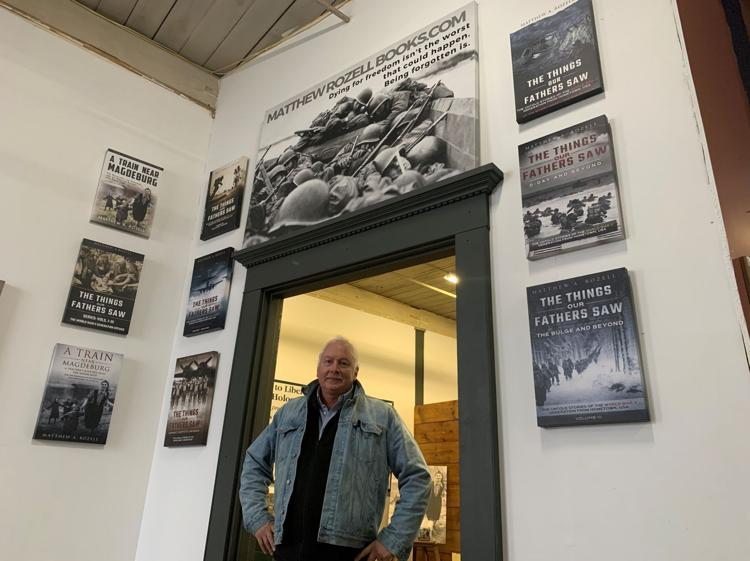
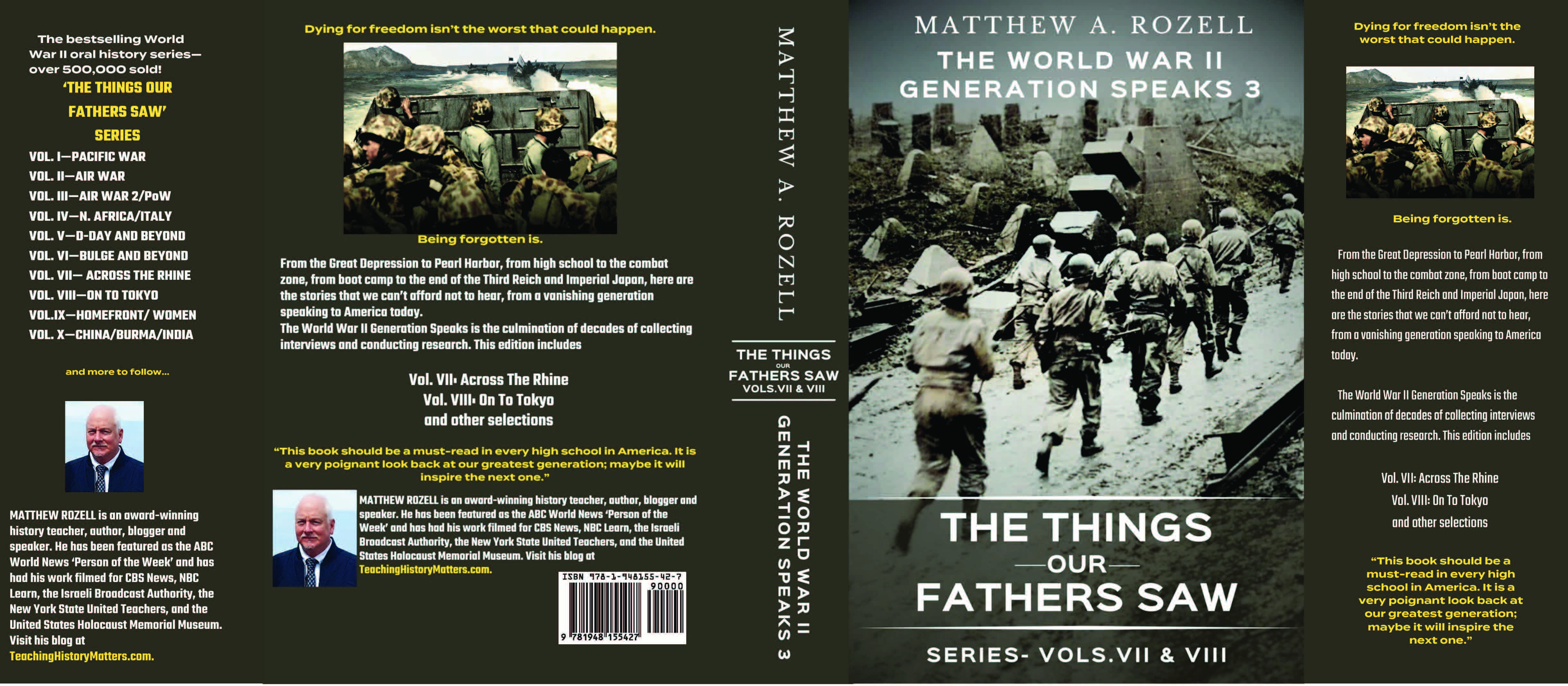
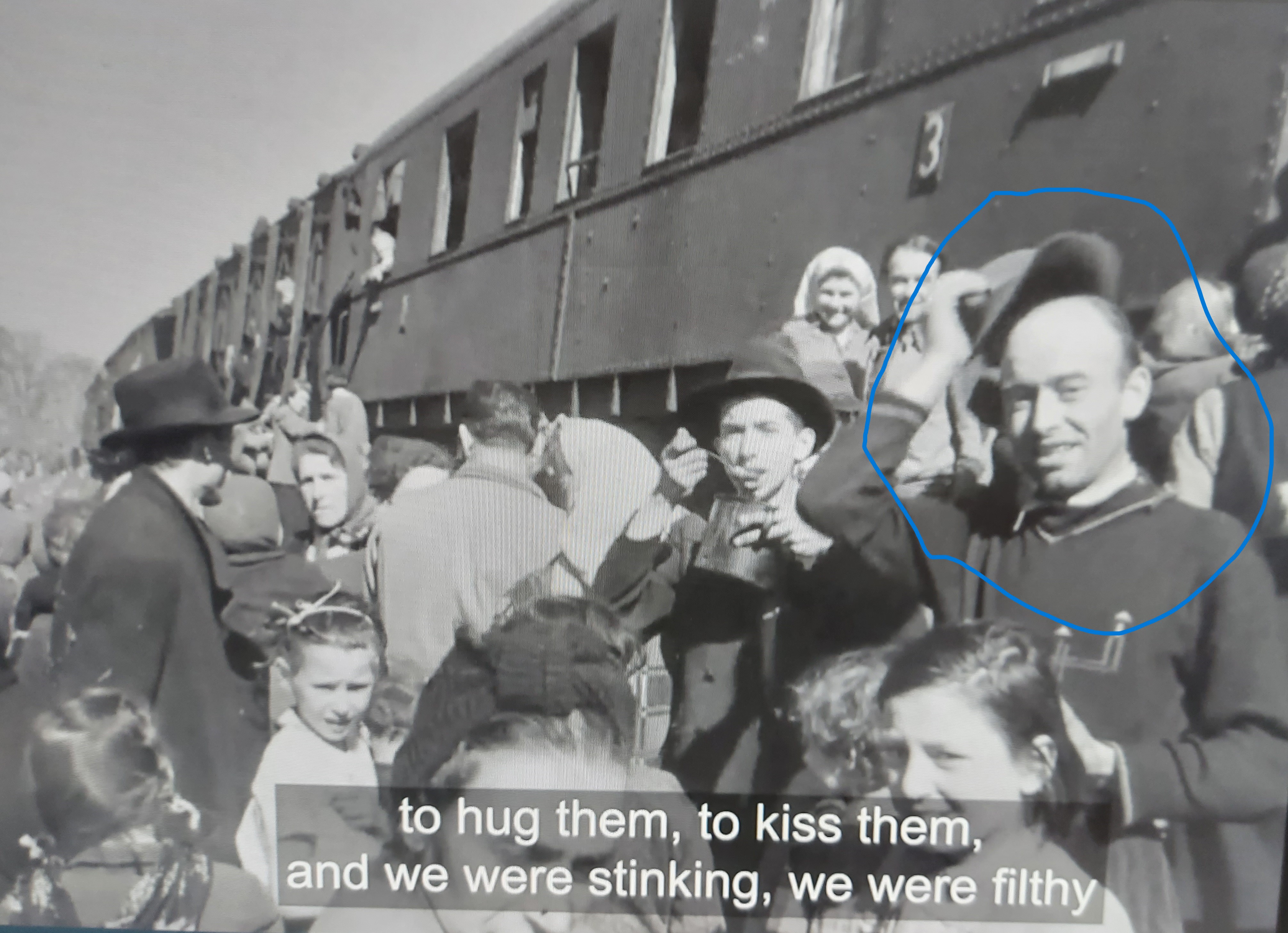
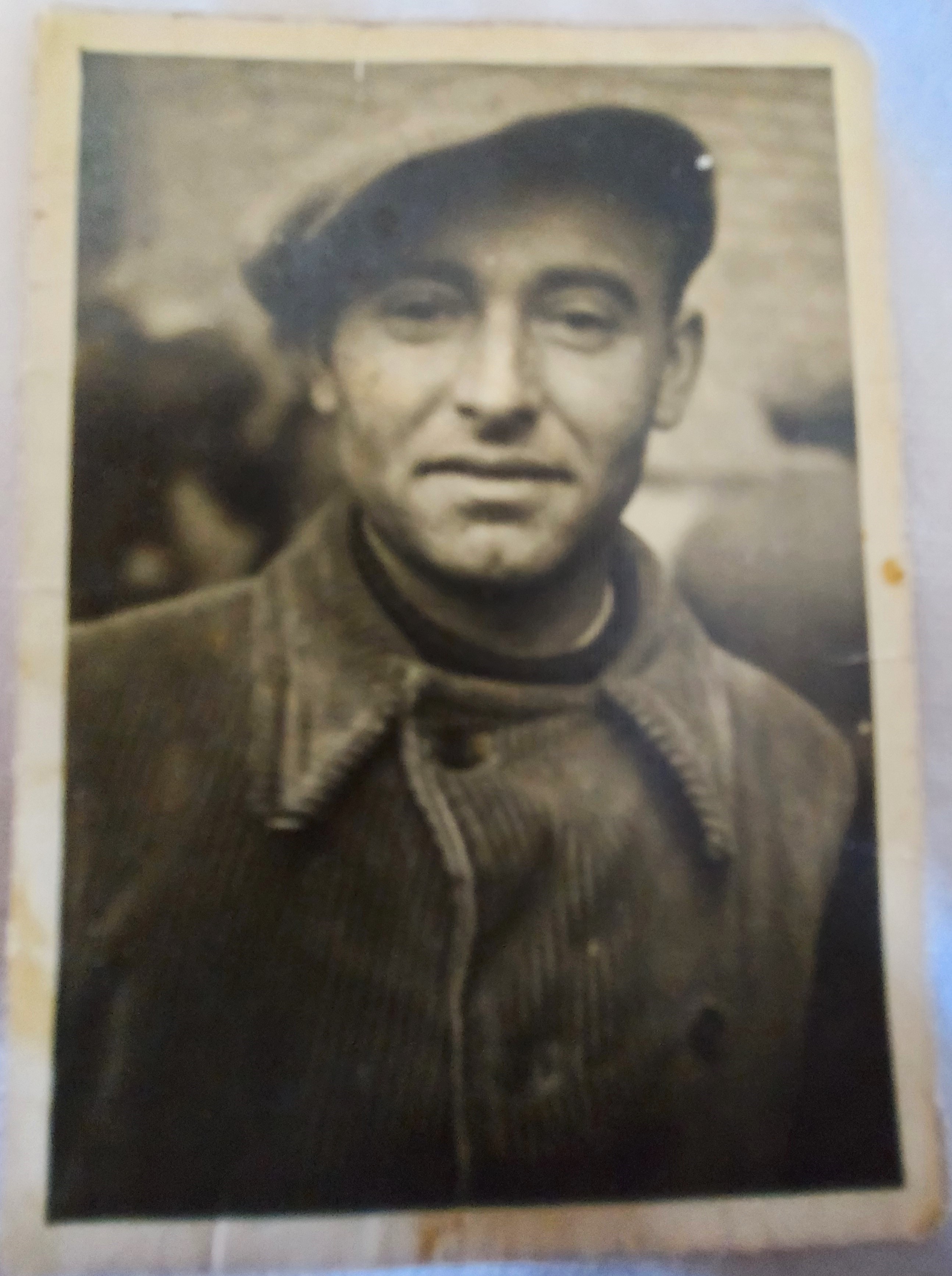


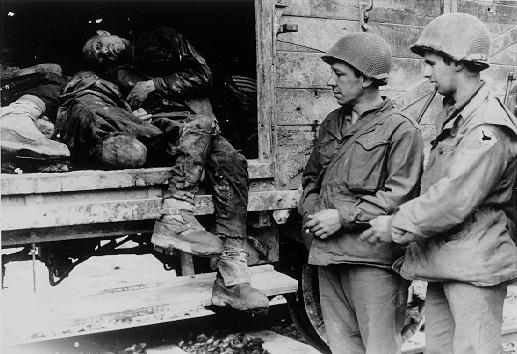


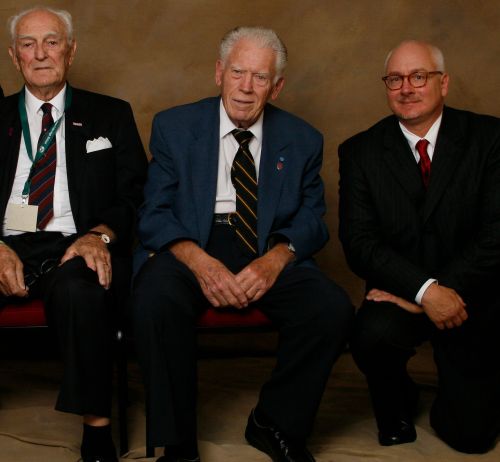






 Teaching History Matters