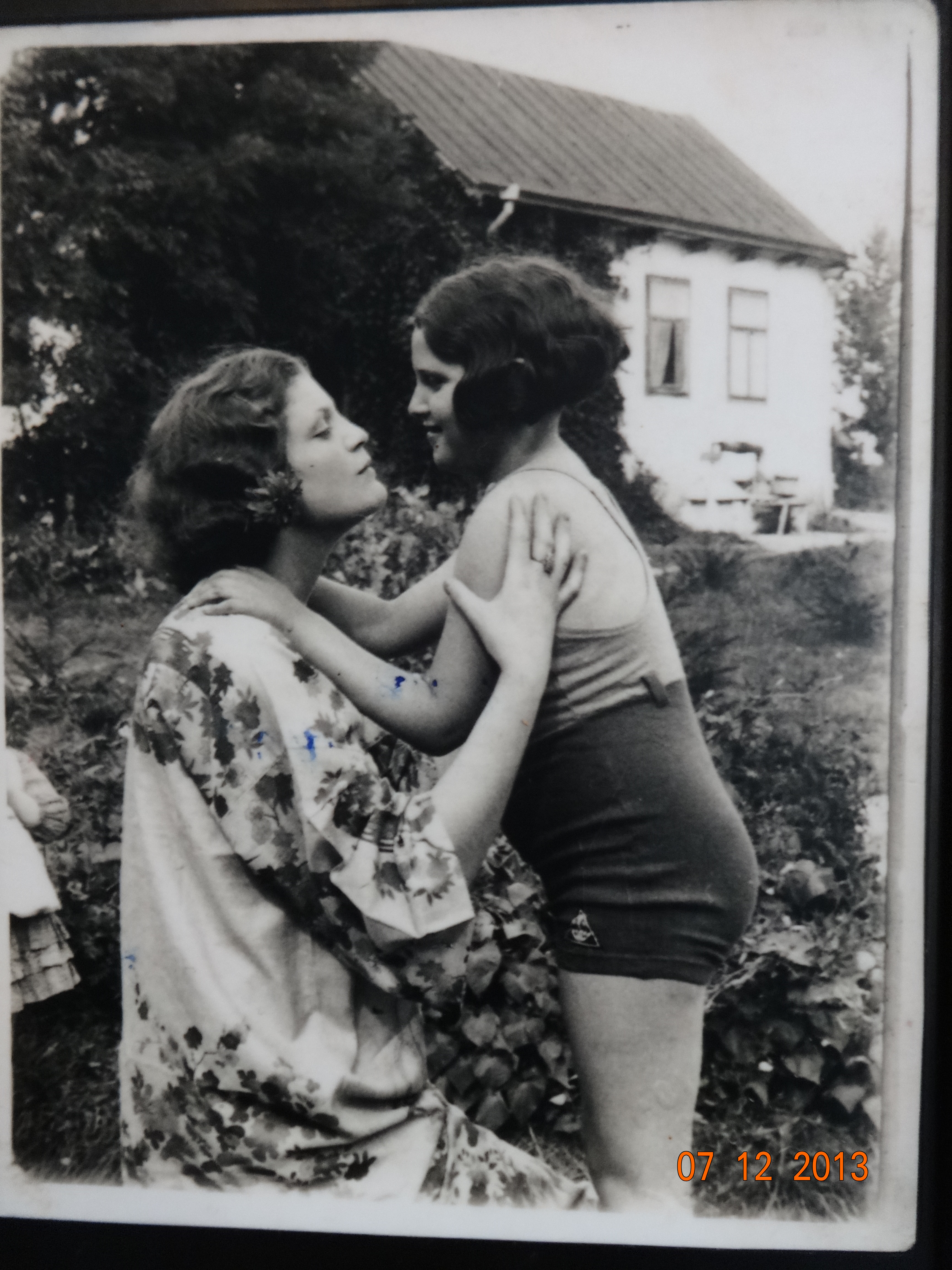
 So the day that many of us approach with a bit of apprehension is finally here. We are on the bus from our hotel in Cracow to Auschwitz, 50 miles to the west south west.
Yesterday we arrived in Cracow from Prague, taking the night train on a sleeper car. Near Prague we visited Terezin or Theresienstadt, and I hope to include my observations in another post.
Crakow is a lovely and vibrant little city of 850,000, currently in revival after the fall of communism 20 years ago. Wawel Castle in the heart of the town on the Vistula River became the seat of the German General Government for the administration of the Polish Occupied Territories under Hans Frank. The guy’s name sends shivers down my spine. After the war and after his trial at Nuremburg he was executed.
Rolling southward one of our tour leaders points out an impressive large building on the top of a hill that looks like a five star hotel. Built after the German invasion in 1939, it was a rest and relaxation villa for Wehrmacht officers rotating off the Russian front to unwind for a bit, as industrialized mass murder was unfolding every single day less than an hour away.
Soon we see the road signs for Oswiecim, the small Polish town at a railroad hub that has become one of the most visited tourist sites in Poland. Most of the world knows it by its German name-Auschwitz.
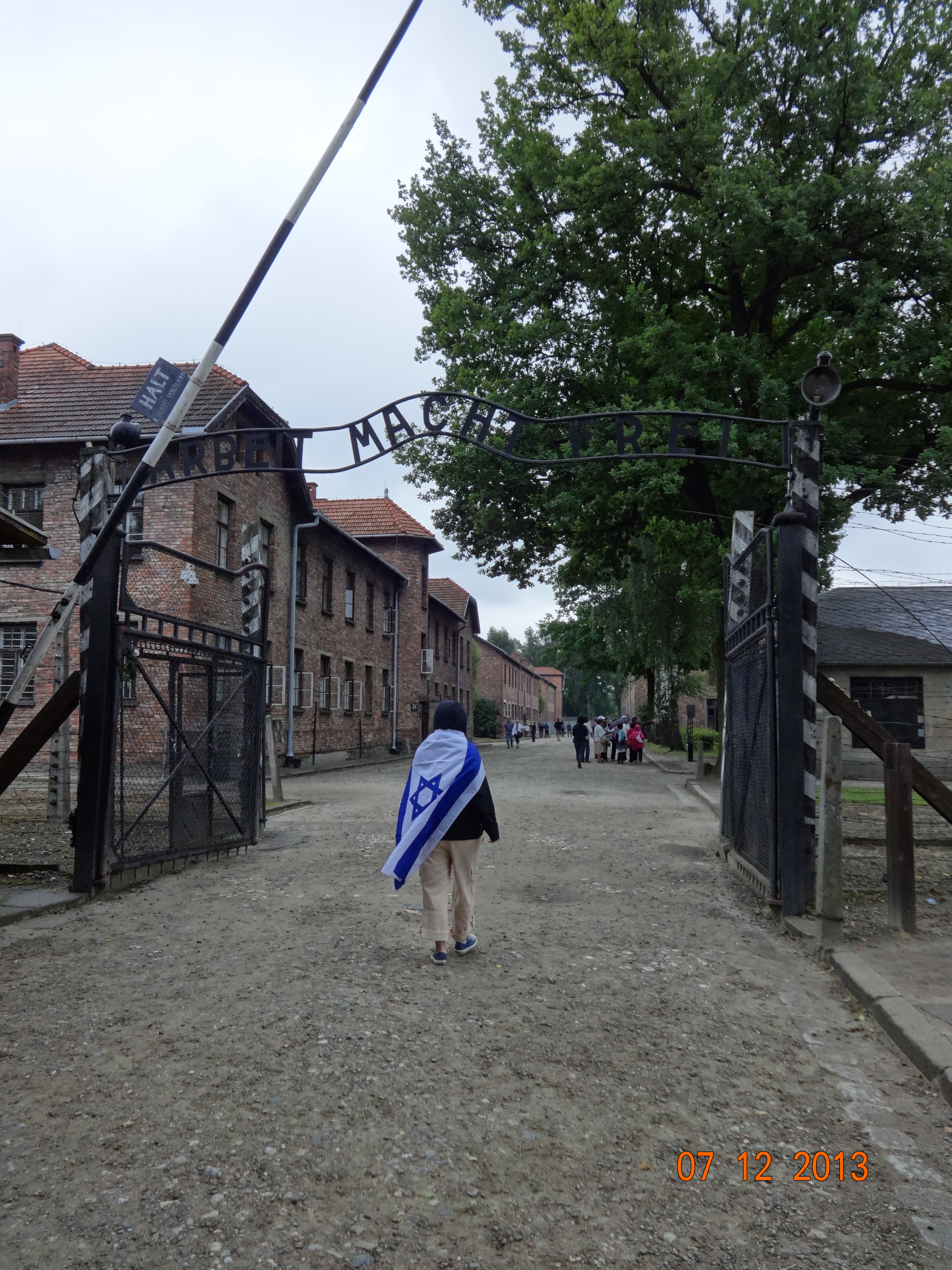 The bus lumbers into the overcrowded parking lot and docks in the slot. The driver kills the engine. And it begins to rain as our other leader, E., relates the story of her mother’s family, the idyllic childhood in this beautiful prewar country, a young teen when the nation is invaded, the oldest of four children. No one on the bus makes a sound. It is now raining very hard.
What is this place? Our guide A. is a top notch scholar, and she leads us on a day long tour that is hard to put into words. We begin at Auschwitz I, the first camp. This place is centrally located, a railway hub dating back to the turn of the century. The first prisoners, after it is converted from a Polish military facility, are Soviet POWs and Polish prisoners and other “security risks” who will be worked to death slowly expanding this camp, and the much larger Auschwitz II-Birkenau. She walks us through the exhibits and the displays at the various blocks. Block 4 is the “Extermination Exhibit”. We think about the words, the language. Extermination- as if the victims were vermin. Over 1,100,000 were killed here, most of them Jews. We see the map with the spiderlike raillines radiating inward to Auschwitz like tentacles, from northern Poland, from Germany, Hungary, as far south as Greece and as west as Paris and the Netherlands. In the summer of 1944, tens of thousands were murdered here, per day.
We see again the large scale terra cotta model of the process, which the German engineers had perfected at Auschwitz II-Birkenau- the arrival of the transports, the undressing rooms with signs admonishing bewildered people to hang their belongings carefully and to remember the number of the wall pegs where they left them for quick retrieval later. The shower rooms that could fit in some cases entire transports, which were in fact the hermetically sealed gas chambers. The Germans above with their gas masks, waiting for the proper temperature to be reached through body heat, just the right humidity to be achieved before dropping in the pellets so the gas released would work more effectively. The anguished death throes of the thousands of naked figurines assault our senses. The process is not complete until the corpses are carried out by the sondercommando slaves, defiled for any gold fillings, the hair shorn from the women, the bodies then burned in the open air behind or cremated in the ovens.
But the tour is now just beginning. Minutes before, we were looking at a terra cotta model. And now in Block 5 we will be presented with the evidence. This is an exhibition, after all. Exhibit A is about to slap us in the face. Hard. It is a room, 50 feet long, with nothing but human hair piled several feet back and as many feet tall. My heart skips a beat.
What are my eyes perceiving? Now we see a photo of stacks of bale bags, carefully labeled, packed and stacked, awaiting shipment back to the Reich for use in various products for the German war effort. Slippers for submariners so they can walk quietly aboard ship to evade Allied sonar. Stuffing for the seats of German pilots.
We shuffle on in silence with hundreds of others past the spectacles, the pots and pans, the suitcases carefully labelled by their owners with chalk on the orders of the perpetrators, again, for “quick retrieval”. And the shoes. Sorted. Case after case of women’s shoes. Men’s footwear. And then the children’s shoes.
Our knowledgeable guide takes us into Block 27, the new exhibit on the Shoah. This is a temporary relief of sorts as now we see faces, film and stills, of pre war Jewish life, projected on the walls. We hear songs and voices. At the end is the Book of Life, containing four million names compiled thus far. A moving moment when E. and others in our tight knit group find entire pages with the names and dates of family members murdered during the Holocaust.
We have lunch on the bus in the parking lot, then drive the three kilometers through town to Birkenau. There it is. The entry tower. The iconic symbol of evil. 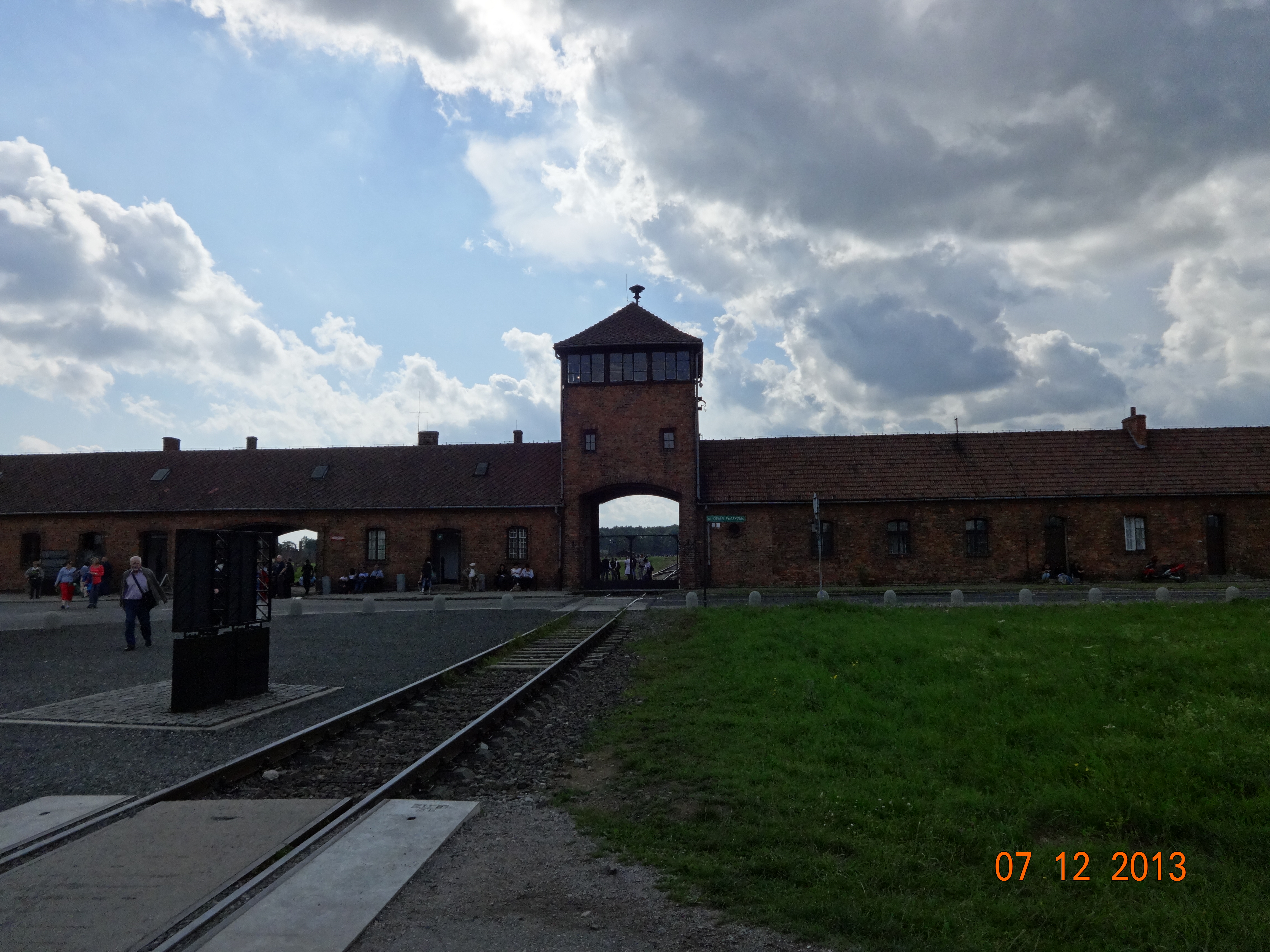
We follow the guide up the stairs in the tower. From here we can see the sheer vastness of the camp. Dozens of long narrow women’s barracks, brick, still stand, albeit braced with wood on the gable ends to keep them from toppling until they can be re-pointed. She indicates that historic preservation here is a major concern.
The rest of the camp is many square kilometers of row upon row of foundations and brick chimney stubs, surrounded by the menacing curved and tapered concrete concrete posts dotted with white insulators and strung with miles of parallel lines of barbed wire. In the summer of 1944, when hundreds of thousands of Hungarian families were deported here, the rail lines came right into the camp.
Our guide leads us along the path through the camp that leads to the gas chamber and crematorium. We walk in in silence along the roadway, the only sound the crunching of brick fragments and gravel underfoot. It appears to have been paved with brick, slave labor, though in some spots it is hard to tell anymore. No one speaks, and on and on we walk. Two minutes. Five minutes. Ten minutes. Fifteen minutes. I’ve been on battlefields that are smaller than this site.

Finally we reach the end of the camp where the kitchens stood. A round concrete ring rises out of the earth, maybe 6 feet in diameter. Someone finally speaks and asks A. what it was. A giant flowerpot. She tells us also that they were placed near the entrances of the gas chambers. Flowers at the gas chambers.
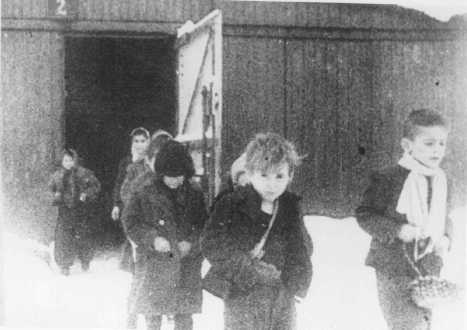
We turn left, and keep walking past interpretative signage. It seems like we are walking outside of camp perimeter. But we are not. Beautiful woods appear and we are walking on the edge of the woods with the camp to our left. We stop near another sign and rest for a moment, allowing the others to catch up. Then our guide calls our attention to the photo on the sign, showing Hungarian mothers and children doing the same thing we are doing. Halting and resting. And a short path through the woods will take us to the ruins of the gas chamber/crematorium Number Five.
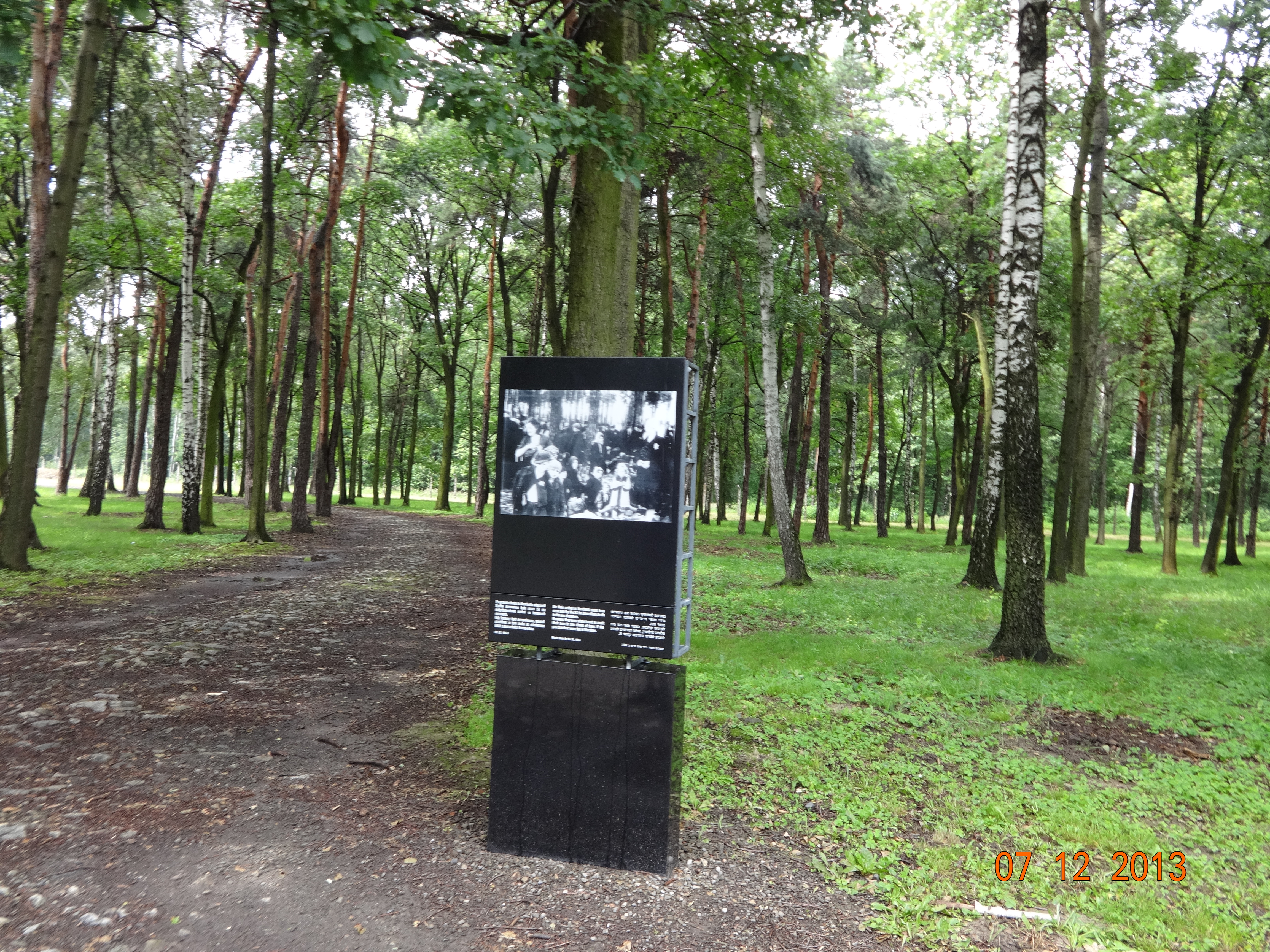 We are resting at the spot they rested at, 20 minutes after walking, immediately after disembarking of overcrowded transports that had been traveling for days. Here they waited, anxiously, as their turn to approach the chamber would come. But the victims of the transport ahead of them had to be removed from the chamber first. Some days in the summer of 1944 these victims were backed up for hours.
I pick up a rock from the path and carry it with me past the ruins. At the ashfield there is more signage and a memorial asking visitors not to walk through the field. I place my stone on the memorial, looking down to watch where I step. But it is probably a futile gesture-this whole place is an ashyard, a graveyard.
We turn again, and walk past the remains of crematorium Number Four. To the disinfection center for those selected to be worked to death. Again, a system. Disrobing. Wading through disinfectant. Shower. Uniform thrown at you, mismatched clogs or shoes.
E’s mother spent two years here. Her grandmother and the little ones were selected upon arrival. Her mom’s beloved sister was murdered in the quarry after slipping while carrying a large pot of soup in the ice and snow with three other girls. Today is a hard day. I want to comfort her, to carry her pack for her. I feel helpless. There is nothing I can do.
At the Soviet memorial constructed near the two destroyed gas chamber/crematoria at the end, we have a remembrance ceremony. Kaddish is recited in Hebrew. I read it aloud in English. With tears, E. tells us that she feels her grandmother smiling down on this extraordinary group of dedicated teachers. A lump rises, again. I swallow hard and try to blink back the wetness I feel welling in my eyes. Damn, I almost made it. Glad for the sunglasses, even though there is no sun.
We light candles, turn our backs, and walk out, which provides another twenty-minute stretch of personal reflection. We have toured the epicenter of evil. We have been here, we try to process-but we just cannot. We need the individuals to speak to us. And like E’s family, they do.
At the close of the disinfection center are hundreds of photographs that had been discovered years after the camp was abandoned by the Germans. Pictures of loved ones who perished here. For me, like the personal home movies of pre-war life for the victims, this is what has the most meaning.

To Life.


 Teaching History Matters